
Tydzień 34 – 36. Kierunek Kitaj, czyli autostopem do Chin i dalej – Ludwik Papaj
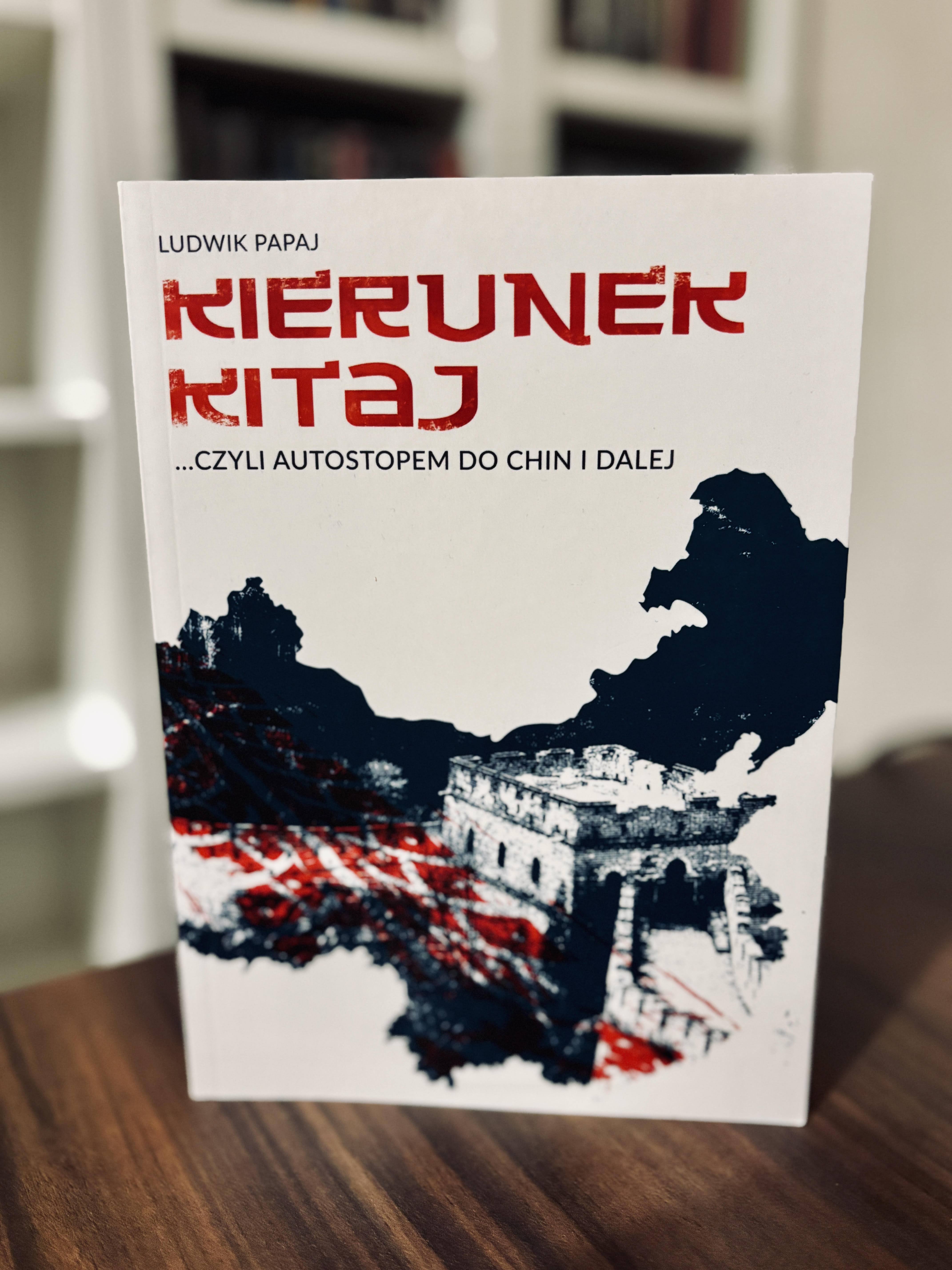
Po tę książkę sięgnąłem z dużą ciekawością, bo zawsze interesowały mnie historie ludzi, którzy decydują się podróżować w sposób trochę inny niż większość. Kierunek Kitaj Ludwika Papaja od początku przyciągnął mnie przede wszystkim pomysłem na tę podróż. Autostopem do Chin, a później jeszcze dalej przez Azję – sama trasa brzmi jak początek dobrej przygody.
Kierunek Kitaj to zapis wyprawy, podczas której autor przemierzył około 27 tysięcy kilometrów. Po drodze znalazły się między innymi Rosja, Syberia, Mongolia, Chiny, Laos i Tajlandia. Nie jest to jednak zwykła książka o odwiedzaniu kolejnych państw. Najważniejsza jest tutaj sama droga i wszystko, co może wydarzyć się po drodze.
Właśnie to podoba mi się w tej książce najbardziej. Autostop sprawia, że podróż staje się nieprzewidywalna. Nie wiadomo, kto się zatrzyma, dokąd pojedzie samochód ani kogo spotka się następnego dnia. Zamiast dokładnego planu pojawiają się przypadkowe sytuacje, rozmowy i ludzie, którzy na chwilę stają się częścią podróży.
Papaj opisuje nie tylko miejsca, które odwiedza, ale również własne doświadczenia. Jest zmęczenie, niepewność, problemy z transportem i sytuacje, w których trzeba szybko znaleźć jakieś rozwiązanie. Dzięki temu książka nie przedstawia podróżowania jako czegoś zawsze łatwego i przyjemnego. Jest w niej również ta druga strona – mniej wygodna, czasami trudna, ale przez to bardziej prawdziwa.
Autor jest z wykształcenia filozofem, a jednocześnie doświadczonym podróżnikiem i autostopowiczem. Według informacji o nim przejechał autostopem około 100 tysięcy kilometrów. To robi wrażenie i pokazuje, że podróżowanie w taki sposób nie jest dla niego jednorazowym eksperymentem.
Bardzo podoba mi się również to, że Kierunek Kitaj nie jest typowym przewodnikiem. Nie dostajemy tutaj przede wszystkim listy zabytków, hoteli czy najlepszych restauracji. Zamiast tego dostajemy osobistą opowieść o drodze. Dzięki temu Azja jest pokazana trochę inaczej – nie tylko przez najbardziej znane miejsca, ale przez codzienność, przypadkowe spotkania i doświadczenia człowieka, który naprawdę znalazł się w tych miejscach.
Ciekawy jest również sam tytuł. „Kitaj” to rosyjskie określenie Chin. Pasuje więc bardzo dobrze do książki, której podróż prowadzi między innymi przez Rosję, Syberię i Mongolię, a następnie dalej w kierunku Chin i Azji Południowo-Wschodniej.
Nie wszystko w książce musi oczywiście odpowiadać każdemu czytelnikowi. Styl autora jest bardzo osobisty, a niektóre jego zachowania czy poglądy mogą wywoływać mieszane odczucia. Dla mnie nie jest to jednak duży problem. Właśnie dzięki temu książka sprawia wrażenie osobistej relacji, a nie starannie przygotowanej opowieści, w której wszystko musi wyglądać idealnie.
Lubię książki podróżnicze, które nie próbują przekonać nas, że najważniejszym elementem podróży jest dotarcie do konkretnego miejsca. Tutaj sama droga jest równie ważna jak cel. Czasami nawet ważniejsza. W przypadku Papaja każdy kolejny etap może przynieść coś zupełnie nieplanowanego.
Podoba mi się też myśl, która wynika z tej książki – że podróżowanie nie musi być zarezerwowane dla ludzi z ogromnym budżetem. Oczywiście autostop wymaga odwagi, cierpliwości i pewnej otwartości na nieprzewidywalność, ale pokazuje też, że można zobaczyć bardzo dużo bez organizowania wszystkiego z dużym wyprzedzeniem.
Kierunek Kitaj jest dla mnie przede wszystkim książką o wolności. O możliwości ruszenia w drogę bez dokładnego planu i sprawdzenia, dokąd ta droga człowieka doprowadzi. Nie jest to może sposób podróżowania, który odpowiadałby każdemu, ale właśnie dlatego historia Papaja jest ciekawa.
Czy warto przeczytać tę książkę? Moim zdaniem tak, szczególnie jeśli ktoś lubi podróże, Azję i historie o ludziach, którzy wychodzą poza swoją strefę komfortu. Nie poleciłbym jej natomiast osobie, która szuka typowego przewodnika po Chinach. To zdecydowanie bardziej osobista relacja niż praktyczny poradnik.
Największą wartością tej książki jest dla mnie autentyczność. Papaj nie opisuje wyłącznie pięknych widoków i niezwykłych miejsc. Pokazuje również zmęczenie, niepewność i trudności, które są częścią prawdziwej podróży. Dzięki temu łatwiej uwierzyć, że czytamy historię człowieka, który rzeczywiście przeżył tę przygodę, a nie tylko stworzył atrakcyjną opowieść.
Po przeczytaniu Kierunku Kitaj zostało mi przede wszystkim przekonanie, że czasami warto trochę mniej planować. Nie wszystko musi być dokładnie ustalone, żeby podróż była udana. Czasami właśnie przypadkowe spotkanie, nieoczekiwany kierowca czy zmiana trasy stają się tym, co pamiętamy najbardziej.
I chyba właśnie dlatego Kierunek Kitaj jest książką, którą warto mieć na swojej półce. Nie dlatego, że jest przewodnikiem po Azji, ale dlatego, że pokazuje podróż jako doświadczenie. Jako drogę, podczas której człowiek poznaje nie tylko nowe miejsca i innych ludzi, ale również trochę lepiej samego siebie.
ENG
Week 34. Kierunek Kitaj, czyli autostopem do Chin i dalej – Ludwik Papaj
I picked up this book with a lot of curiosity because I have always been interested in stories about people who decide to travel in a slightly different way than most people. Kierunek Kitaj by Ludwik Papaj caught my attention mainly because of the idea behind the journey. Hitchhiking to China and then travelling even further through Asia – the route itself sounds like the beginning of a great adventure.
Kierunek Kitaj is an account of a journey during which the author travelled around 27,000 kilometres. Along the way, he visited places including Russia, Siberia, Mongolia, China, Laos and Thailand. However, this is not simply a book about visiting different countries. The most important thing here is the journey itself and everything that can happen along the way.
This is what I like most about the book. Hitchhiking makes the journey unpredictable. You never know who will stop, where the car will go or who you will meet the next day. Instead of a detailed plan, there are unexpected situations, conversations and people who become part of the journey, sometimes only for a short time.
Papaj describes not only the places he visits, but also his own experiences. There is tiredness, uncertainty, transport problems and situations in which he has to find a solution quickly. Because of this, the book does not present travelling as something that is always easy and enjoyable. It also shows the less comfortable side of travelling – sometimes difficult, but therefore more authentic.
The author studied philosophy and is also an experienced traveller and hitchhiker. According to information about him, he has travelled around 100,000 kilometres by hitchhiking. This is impressive and shows that this way of travelling is not just a one-time experiment for him.
I also really like the fact that Kierunek Kitaj is not a typical travel guide. You do not mainly get a list of monuments, hotels or the best restaurants. Instead, you get a personal story about the road. Because of this, Asia is presented from a slightly different perspective – not only through its most famous places, but through everyday life, random encounters and the experiences of someone who was actually there.
The title itself is also interesting. “Kitaj” is the Russian word for China. It fits the book very well because the journey goes through Russia, Siberia and Mongolia before continuing towards China and Southeast Asia.
Of course, not everything in the book will appeal to every reader. The author’s style is very personal, and some of his behaviour or opinions may create mixed feelings. For me, however, this is not a major problem. It actually makes the book feel more like a personal account rather than a carefully prepared story in which everything has to look perfect.
I like travel books that do not try to convince us that the most important part of a journey is reaching a particular destination. Here, the road itself is just as important as the destination. Sometimes it is even more important. In Papaj’s story, every new stage can bring something completely unexpected.
I also like the idea that comes from this book – that travelling does not have to be reserved for people with a huge budget. Of course, hitchhiking requires courage, patience and an openness to uncertainty, but it also shows that you can see a great deal without planning everything far in advance.
For me, Kierunek Kitaj is above all a book about freedom. It is about being able to set off without a detailed plan and see where the road takes you. This may not be a way of travelling that would suit everyone, but that is exactly what makes Papaj’s story interesting.
Is the book worth reading? In my opinion, yes, especially if you enjoy travelling, Asia and stories about people who step outside their comfort zone. However, I would not recommend it to someone looking for a typical guide to China. It is definitely more of a personal account than a practical travel guide.
For me, the greatest value of the book is its authenticity. Papaj does not describe only beautiful views and extraordinary places. He also shows tiredness, uncertainty and difficulties, which are a real part of travelling. Because of this, it is easier to believe that we are reading the story of someone who actually experienced this adventure, rather than simply an attractive travel story.
After finishing Kierunek Kitaj, what stayed with me most was the feeling that sometimes it is worth planning a little less. Not everything has to be carefully organised for a journey to be successful. Sometimes it is a random meeting, an unexpected driver or a change of route that becomes the thing we remember the most.
And I think that is exactly why Kierunek Kitaj is a book worth having on your shelf. Not because it is a guide to Asia, but because it presents travelling as an experience. As a journey during which you get to know not only new places and other people, but also yourself a little better.


Skomentuj