
Eng below
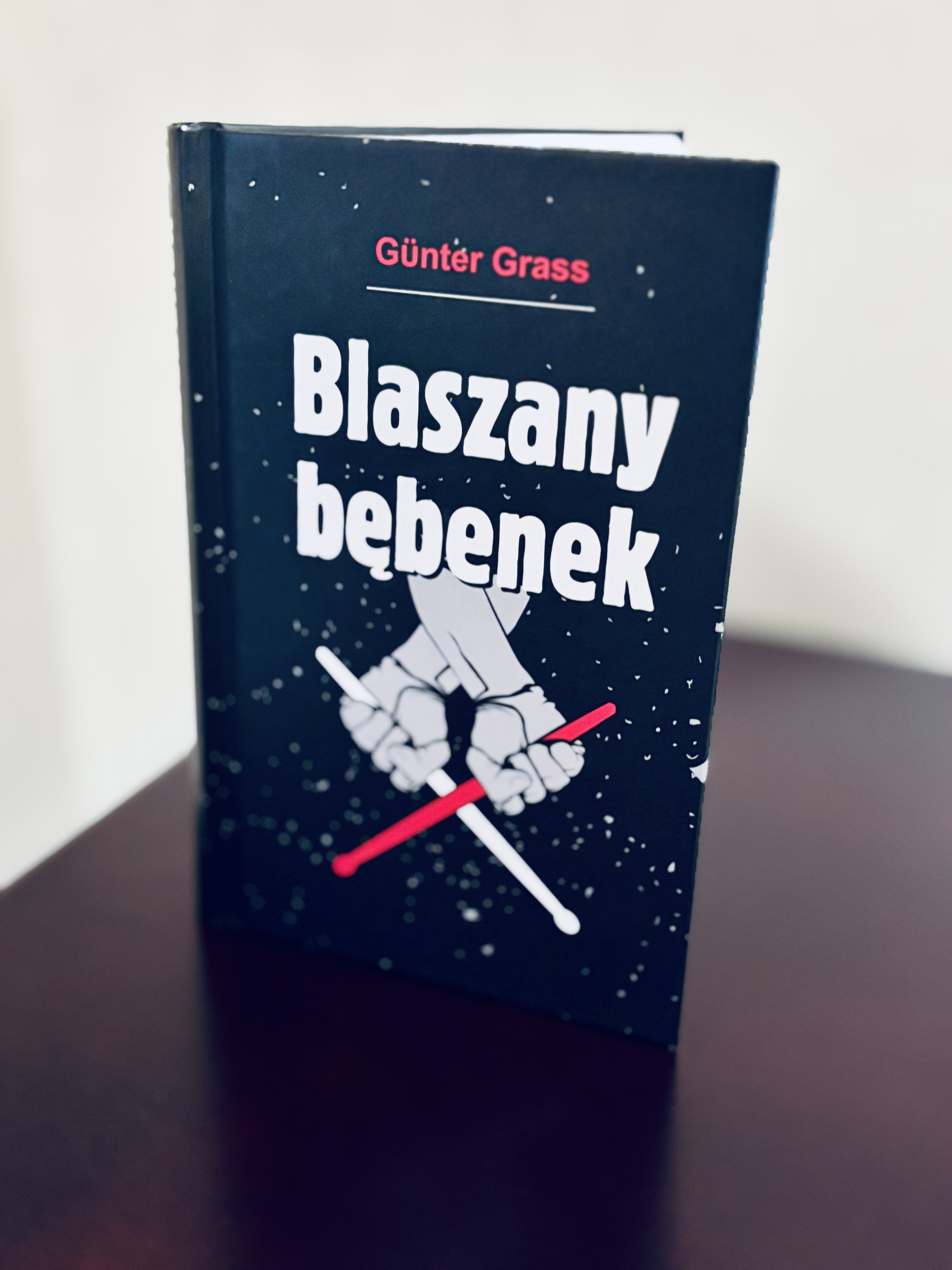
Tydzień 19. Günter Grass „Blaszany bębenek” (“The Tin Drum”).
W tym tygodniu wróciłem do „Blaszanego bębenka” Güntera Grassa. To jedna z tych książek, które zostają bardziej przez atmosferę i sposób patrzenia na świat niż przez samą fabułę.
Historia Oskara Matzeratha od początku była dla mnie dziwna i niepokojąca. Dziecko, które postanawia przestać rosnąć i obserwuje rzeczywistość z boku, staje się tutaj kimś więcej niż bohaterem. Bardziej symbolem niż zwykłym człowiekiem.
Najmocniej zostało ze mną to, jak Grass pokazuje społeczeństwo w czasie narastania i trwania wojny. Nie przez wielkie hasła czy polityczne deklaracje, ale przez codzienność, absurd i ludzi próbujących normalnie żyć w nienormalnym świecie.
Sam Günter Grass też jest dla mnie ciekawą postacią. Z jednej strony laureat Nagrody Nobla i jeden z najważniejszych niemieckich pisarzy XX wieku, z drugiej człowiek otoczony kontrowersjami i trudną biografią. To sprawia, że jego książki czyta się inaczej, bo czuć w nich próbę rozliczenia się z historią, pamięcią i odpowiedzialnością.
„Blaszany bębenek” nie jest dla mnie książką łatwą ani komfortową. Momentami wręcz odpycha, ale właśnie przez to zostawia po sobie coś więcej. To bardziej doświadczenie niż zwykła historia.
Ten tydzień był bardziej o obserwowaniu, jak literatura potrafi pokazać chaos i moralne zagubienie ludzi, niż o samej fabule książki.
ENG
Week 19. Günter Grass “The Tin Drum”.
This week I returned to “The Tin Drum” by Günter Grass. It is one of those books that stays with me more because of its atmosphere and way of looking at the world than because of the plot itself.
The story of Oskar Matzerath felt strange and unsettling to me from the beginning. A child who decides to stop growing and watches reality from the side becomes something more than just a character here. More a symbol than an ordinary person.
What stayed with me most was how Grass shows society during the rise and reality of war. Not through big slogans or political declarations, but through everyday life, absurdity and people trying to live normally in an abnormal world.
Günter Grass himself is also a fascinating figure to me. On one side he was a Nobel Prize winner and one of the most important German writers of the twentieth century, while on the other side he remained a controversial person with a difficult biography. It makes his books feel more personal, as if they are also about dealing with history, memory and responsibility.
“The Tin Drum” is not an easy or comfortable book for me. At times it is even disturbing, but that is exactly why it leaves something deeper behind. It feels more like an experience than just a story.
This week was more about seeing how literature can show chaos and moral confusion than about the plot itself.


Dodaj komentarz