• Adventure racing, or AR, is an extreme team sport that combines various disciplines like running, mountain biking, trekking, kayaking, and navigation, often requiring participants to race continuously for hours or even days. Teams are given a series of checkpoints to reach, but they must navigate their own route using only maps and compasses. The races are not just a test of physical endurance, but also mental resilience and teamwork.

    The roots of adventure racing trace back to the 1980s, but it wasn’t until the 1990s that the sport gained major traction. One of the most significant early races was the Southern Traverse in New Zealand, a grueling test of endurance through the wild mountains, rivers, and forests of the country. This event became the inspiration for many other adventure races that followed. It was during these early years that the concept of racing through untamed wilderness with no fixed path or clear direction began to take shape.

    Another milestone in the sport’s history was the Raid Gauloises in France, which gained international attention by pushing competitors through some of the most remote and challenging terrains on Earth—from dense jungles to scorching deserts. These early races laid the foundation for what would become a global movement, drawing adventure enthusiasts from all corners of the world.

    New Zealand has long been a powerhouse in the world of adventure racing. The country produced legendary athletes like Nathan Fa’avae, a multi-time world champion who became the face of the sport. Fa’avae’s team, Team Avaya, dominated events across the globe and became a symbol of what it takes to excel in adventure racing—resilience, teamwork, and technical skill. The teams from New Zealand are known for their exceptional navigational abilities and unrelenting approach to physical challenges.

    Sweden, on the other hand, has become another leading force in the sport, producing some of the most successful and disciplined teams. Teams like Haglöfs Silva and the Swedish Armed Forces Adventure Team have made their mark with their precision, mental toughness, and ability to navigate through difficult terrains, particularly the forests, swamps, and cold conditions of Scandinavia. Swedish athletes are often praised for their impeccable coordination and preparation, making them formidable opponents in global races.

    The top teams in adventure racing today, such as Avaya (New Zealand) and Haglöfs Silva (Sweden), continue to set the bar for excellence in the sport. Other notable teams like Estonian ACE Adventure, France Absolu Raid, and Columbia Vidaraid (a Spanish-Brazilian team) have also emerged as major contenders in the AR World Series and World Championship events. These teams exhibit not only athleticism but an understanding of strategy, teamwork, and mental fortitude that is essential for survival in the brutal and unpredictable environments of adventure races.

    As adventure racing continues to grow in popularity, these countries and their top teams remain at the forefront, constantly pushing the boundaries of human endurance and team dynamics in the wilderness. Their achievements serve as inspiration for anyone who wishes to take on the challenge of the sport.

    To successfully train for adventure racing, it’s crucial to develop both endurance and versatility. These are the two foundational elements of any effective training plan. Adventure racing demands a unique combination of skills, and the ability to perform well in a range of disciplines is key to success. Whether it’s quick sprints, long-distance runs, or navigating unknown terrain, each aspect requires specific preparation.

    Running in adventure racing can be split into two major categories: speed and endurance. Training for short, fast runs will help you handle situations where you need to sprint between checkpoints or tackle difficult terrains at a high intensity. These high-speed efforts also mimic the explosive moments when you might need to rush, such as in transitions between cycling and trekking or when you’re trying to reach a checkpoint in a race against time. On the other hand, long-distance running is equally important. This is where you’ll build the base endurance needed to endure the hours of racing across varied and challenging terrain. Long trail runs, especially in mixed environments (hills, mud, water), help to develop the mental toughness required for sustained effort, as well as physical stamina. Both are essential in AR, where you’ll be pushing your body to its limits over long durations.

    In addition to basic running, one key skill that can set you apart in AR is orienteering. The ability to read maps, use a compass, and make split-second decisions in unfamiliar terrain is often the deciding factor between winning and losing a race. Orienteering isn’t just about having navigational skills, but about staying calm and focused while your team is in the wilderness for hours, sometimes even days, with no clear signs of where to go next. The quicker you can identify landmarks, plan a route, and adjust on the fly, the more efficient your team will be.

    For cycling, both sprints and long rides are important, depending on the type of race. On one hand, sprinting helps you tackle the intense efforts when cycling between transition zones or pushing hard to catch up with competitors. Sprint intervals, with bursts of speed and recovery, are essential for simulating these demands. On the other hand, long-distance cycling helps build your endurance for those multi-hour rides, sometimes through technical, off-road terrain. Building the ability to ride for hours while navigating rocky, uneven paths is just as important as having the stamina to keep up the effort. Combining both sprint and long-distance cycling training prepares you for any scenario in the race.

    However, adventure racing requires more than just running and cycling skills. The sport is multidisciplinary, and being versatile is key to success. Several other skills and training methods are needed, depending on the specifics of each race. Cross-country skiing and roller skiing are fantastic ways to build endurance and strength, particularly when training for cold-weather races or conditions where you may be traveling through snowy terrain. These skills help simulate the cardiovascular strain of racing, while also targeting muscles that are important for climbing and long-distance running.

    Running through a freezing winter in the heart of Greater Poland during an adventure race. One of the coldest races I’ve ever done – but also one of the most unforgettable

    Climbing and mountaineering skills are also crucial in many adventure races, especially when the course includes rocky or mountainous areas. Having experience in rock climbing or basic rappelling can help you navigate technical sections more confidently and efficiently. Not all races include climbing, but being prepared for such obstacles will give you a strategic advantage over competitors who are unfamiliar with these terrains.

    Other skills that may come in handy include kayaking for water sections, which is an essential component of many races. Having proficiency in whitewater rafting or flatwater kayaking can allow you to perform quickly and safely on the water. In addition, swimming is often included, and practicing techniques for swimming in open water or across long distances will pay off when the course requires you to navigate rivers, lakes, or other bodies of water.

    Rollerblading or roller skiing can also provide great cross-training for endurance, agility, and strength, particularly in flatter races where biking might be swapped for another wheeled form of transport. These exercises work many of the same muscle groups as cycling but offer a different range of motion and challenge your body in new ways.

    In terms of strength training, building a solid core is crucial for stability when moving across unstable or difficult terrain. Exercises that work your legs, core, and upper body will help you maintain balance and control while cycling, running, or climbing. Additionally, functional fitness, like carrying heavy packs, lifting or dragging equipment, or running with gear, is often a part of many races. Strengthening these specific muscles through functional movements will better prepare you for the unexpected challenges of AR.

    Ultimately, your training should be race-specific. Some races focus more on mountain biking and running, while others may emphasize kayaking, climbing, or other skills. The key is to have a well-rounded training plan that ensures you are prepared for whatever challenges the course throws your way. Whether you’re racing through swamps, scaling mountain passes, or navigating through forests, you’ll want to be ready for it all.

    When preparing for adventure racing, one of the most important aspects is testing all of your gear and nutrition in real, race-like conditions. This means not just practicing individual disciplines like running or cycling, but also making sure that everything you rely on during the race is comfortable, efficient, and ready to perform under pressure. From the shoes on your feet to the food in your pack, every detail matters.

    The right footwear is crucial, as it can make or break your race. You’ll want to test a variety of trail running or mountain biking shoes to see which ones offer the best grip, support, and comfort on different surfaces. It’s essential that your shoes are broken in but not worn out—nothing slows you down faster than blisters or foot pain. When it comes to backpacks, comfort and practicality are key. Your pack should fit snugly and not bounce around, as this can cause discomfort and fatigue. It’s important to ensure that you can easily access your water, food, and gear during the race. If you’re using a hydration bladder, practice drinking from it while moving, as this is a skill you’ll need in the heat of the race. Make sure your hydration system is large enough for the long hours you’ll spend on the course, and test it thoroughly during training to make sure it doesn’t leak or cause discomfort.

    For nighttime portions of the race, headlamps are indispensable. Since many adventure races take place over several hours, including overnight sections, you’ll need a headlamp that’s bright enough to illuminate your path but comfortable enough to wear for long periods. Test your headlamp during your night training runs or bike rides to ensure it provides adequate visibility and stays securely in place. Also, carry extra batteries or have a charging plan in place to avoid any surprises during the race.

    In adventure racing, navigation is one of the most critical skills you’ll need. Being able to read a map, use a compass, and make quick decisions about your route can often be the difference between winning and losing. It’s essential to practice navigating through unfamiliar terrain in real conditions. The more comfortable you are with your map and compass, the better you’ll be able to respond when things don’t go as planned, such as when you misinterpret a landmark or need to adjust your course on the fly. Navigation becomes even more challenging in remote areas with limited or no visual landmarks, so practice these skills in environments that simulate race-day conditions.

    Nutrition is another crucial element of race preparation. During a race, your body will burn through a significant amount of energy, so it’s important to fuel properly. Test out different foods during your long training sessions to determine what works best for you. Avoid trying new foods on race day, as unfamiliar foods can upset your stomach and slow you down. High-energy foods that are easy to digest are key. Consider options like energy bars, gels, and dried fruits. Real food like peanut butter sandwiches, rice cakes, or jerky can also be good choices. Your goal is to eat foods that give you energy without weighing you down, as you’ll need to maintain your stamina for hours at a time.

    In addition to solid food, hydration is vital for endurance. You’ll need to drink regularly throughout the race to stay energized and avoid dehydration. But simply drinking water isn’t enough. As you sweat, you lose not only water but also important electrolytes, such as sodium, potassium, and magnesium, which are necessary for muscle function and preventing cramps. During your training, you should experiment with electrolyte supplements—tablets, powders, or drinks—to determine which works best for you. Some racers prefer sports drinks that combine hydration and electrolytes, while others opt for tablets that they can add to their water. Be sure to hydrate regularly and keep your electrolytes balanced, particularly during hot weather or long training sessions.

    Finally, testing everything under race-like conditions is crucial. Don’t wait until race day to discover that your gear doesn’t fit, your food is unappetizing, or your hydration system doesn’t function well. Your training should simulate the actual race as much as possible. This means practicing with your food, gear, and hydration during long, intense sessions in real-world environments. Whether it’s running, biking, or trekking, every piece of equipment should be tested, and every fuel strategy should be fine-tuned. The more you test, the more confident you’ll feel when the real race day arrives.

    The power of the mind, particularly the strength of will, is a fundamental aspect of adventure racing that can determine success or failure. When the body is physically exhausted and fatigue is setting in, it is often the willpower that keeps athletes moving forward. Strong-willed racers can push past the point where others might give up, overcoming their body’s natural urge to rest. This inner drive — the ability to summon the energy to keep going despite the overwhelming desire to stop — is what distinguishes the best athletes. The mind’s ability to override the body’s signals of exhaustion is an incredible force that allows competitors to achieve feats that seem impossible on paper. It’s the internal dialogue of “I can do this” that transforms a grueling race into a challenge that can be conquered, one step at a time.

    In an adventure race, rest and recovery become more than just physical necessities — they are also mental strategies. It’s easy to think of rest as simply the body recovering, but mental rest is just as important. After hours or days of non-stop effort, mental fatigue can be just as debilitating as physical exhaustion. Taking moments to rest the mind allows for clearer thinking, better decision-making, and a renewed sense of focus. Whether it’s during a short break to hydrate, a few minutes of quiet time to regain composure, or simply allowing oneself to take in the surroundings for a moment, these small moments of respite help reset the mental clock. The best racers are not only adept at pushing their bodies to the limit but are also skilled at knowing when to pull back and allow themselves the necessary mental breaks to ensure they stay sharp when it counts.

    The influence of group dynamics is another critical factor in the mental side of adventure racing. The mind is not only shaped by personal resilience but also by the collective strength and support of the team. When one team member is struggling, the rest of the group can help buoy their spirits and provide encouragement. In these races, where the going can get tough and morale can fluctuate, the collective energy of the group can provide the mental fortitude needed to keep pushing forward. Team members rely on one another, offering words of encouragement, physical assistance, or simply the presence of a teammate to prevent negative thoughts from taking hold. Group cohesion and camaraderie not only help in handling the physical challenges but also serve as a powerful buffer against the mental hurdles that arise. When the group stays positive, stays focused, and motivates each other, the psychological challenges of the race are far more manageable, leading to greater endurance and ultimately, success.

    Adventure racing is much more than just a test of physical prowess; it’s a battle between mind and body, where the strength of will and mental resilience often determine who will succeed. It’s a sport that demands unwavering determination, not just to endure the grueling challenges of the course, but to push through the mental barriers that inevitably arise when fatigue sets in. Each race is a personal journey, where racers must face not only the external environment but also their internal struggles. The physical exhaustion, the temptation to give up, the doubts that creep in — all are part of the challenge. And it is through this mental endurance that the true victory is won.

    Whether it’s through moments of mental recovery, finding strength in group dynamics, or summoning the willpower to keep going, adventure racing is a reflection of human tenacity and spirit. The beauty of the sport lies in its unpredictability, its ability to bring together different skills, and its requirement for athletes to remain adaptable in the face of constant change. Adventure racing pushes participants to their limits, yet it is precisely in these extreme moments that the deepest growth happens — both physically and mentally.

    For those who take on the challenge, the rewards are unparalleled. Completing an adventure race is not just about crossing the finish line; it’s about the journey, the challenges overcome, and the mental strength developed along the way. It’s about discovering what you’re truly capable of when you’re pushed to your edge and beyond. The bonds forged in these races, the lessons learned, and the sense of accomplishment create memories that last far longer than the race itself. Adventure racing is, in its truest form, a celebration of the human spirit’s indomitable will to thrive against all odds.


  • The world of ultrarunning has seen a surge in fixed-time races, where athletes challenge themselves to cover as much distance as possible within a specific time frame. These events, which have gained high popularity, are not about completing a set distance but about pushing the limits of endurance. From short, intense 24-hour races to extreme 10-day challenges, fixed-time races are becoming a defining trend in the ultrarunning community.

    One of the most notable examples of this trend is the 10-day loop race held in New York, which draws attention for its extreme challenge. Participants run on a closed loop, typically within the city’s parks, for ten continuous days. This race pushes athletes not only to endure but to master their strategy for rest, sleep, nutrition, and recovery, all while maintaining focus on the goal—covering as much distance as possible within the set time.

    Although New York has been at the forefront of this fixed-time trend, other locations around the world are also embracing similar challenges. For instance, in Sląsk district, Poland, earlier this year, a 24-hour race took place, attracting a competitive field of ultrarunners. The race took place on a looped course, similar to the New York events, and participants had to maintain a steady pace, managing the physical and psychological challenges of running continuously for an entire day.

    Meanwhile, in Ardèche, France, the 6-Day World Championship is currently in progress, having started on April 28, 2025. Organized by the GOMU (Global Organization of Multi-Day Ultramarathoners), this event draws elite long-distance runners from around the world. Over six days, participants must cover as much distance as possible on a looped course, facing the ultimate test of physical endurance and mental resilience.

    The event is recognized as the World Championship for the 6-day format, and competitors strive not only for personal achievement but for the honor of being crowned world champion. With the stunning Ardèche landscapes as the backdrop, the 6-Day World Championship becomes more than just a race—it’s a true battle against time, distance, and self-imposed limits.

    From the streets of New York to the parks of Sląsk and the picturesque loops of Ardeche, these fixed-time races are redefining what it means to run long distances. Whether it’s a 24-hour challenge or a 6-day endurance test, these races represent the ultimate expression of human determination and the desire to push beyond the imaginable.

    I find this growing trend of fixed-time races incredibly fascinating and exciting, especially as someone who has already participated in 6- and 12-hour events. These races are the perfect blend of physical endurance and mental toughness, and they seem like the ideal way to push my limits even further. The strategy involved in managing sleep, pacing, nutrition, and recovery is something I’ve started to appreciate more with every race, and it’s what draws me to these types of challenges.

    This year, I’m planning to continue developing in this direction. I want to focus on even longer fixed-time events, maybe even aiming for the 24-hour or 48-hour races, and who knows, maybe even stepping up to a 6-day race in the near future.

    There’s no need to go into great detail about these races, as their appeal is quite evident. However, if you’re looking to dive deeper into the world of ultrarunning and its rich history, Davy Crockett is someone worth following. He writes extensively on the subject and shares his knowledge on the Ultrarunning History Podcast. If you’re curious about the evolution of endurance events and their roots, his insights are invaluable.

    Doubled Marathon/Deca Marathon in Poland – an event that will always hold a special place in my memory! Although the race no longer takes place in its original format, it was an incredible opportunity for competition and fun. Now, the event is held under a different name and format, but the memories will last forever!” Here 2014, last year of race.


  • I woke up earlier than usual today — not because I’m suddenly into early morning meditation, but because I’m trying to be an adult and get my life together. Since I’m constantly on business trips, I finally have to stick to a diet. Easy to say, hard to do, especially when the only “fit” option at the gas station at six in the morning is a protein bar that tastes like… cardboard. So, I try to live healthily, but the world doesn’t seem quite ready for my new version of “Me – no pastry edition.”

    Still, I’m holding it together pretty well — I haven’t passed out in front of the fridge yet, and that’s a success. Sure, something’s still missing from this new menu… maybe soul? Maybe flavor? Maybe just a regular schnitzel. But looking in the mirror, I have to admit, I still look pretty good for my age. Especially compared to some of my classmates from 6B, who already look like life has caught up with them and doesn’t want to let go.

    This is actually a pretty serious topic — eating on a business trip isn’t a joke, it’s a survival game. And here are my observations: if you don’t bring anything substantial with you, you can be sure you won’t have anything to eat. I mean, you’ll be left with hot dogs from the gas station and protein bars that claim to have protein but probably contain more cardboard than nutrition. Monotony is the first thing that hits you — the same breakfast options at the hotel every day, the same “fit” salads in plastic cups, and the endless hunt for something that hasn’t been breaded three times before serving. You start to miss even a simple sandwich with cheese, as long as it was made by yourself and had something fresh.

    The less you have with you, the more often you start searching — and that’s a trap. Eventually, you fall into the trap of hunger, exhaustion, and craving anything that’s within reach. Whether it’s tortillas with fillings that might have been made a week ago, or a plastic bottle of soda that doesn’t fit into any diet at all. It’s easy to break the rules in the midst of this search, forgetting that you could still eat something that won’t be a huge sacrifice for your health. As a result, instead of eating less, you start eating more — and eating whatever you can. And that eventually leads to one thing: the feeling that you have to get it together… on the next business trip.

    The third thing is a paradox: the more you have, the more it can also become a problem. Sometimes, you pack an entire bag full of healthy snacks, only to end up standing in front of all those options, not knowing what to eat. Instead of enjoying the fact that you have everything at hand, you start wandering among those choices, wondering what to pick. Then there’s also the need to share — and with someone who doesn’t quite understand your diet philosophy. So, instead of eating something you had saved for later, you end up giving away some nuts that will soon end up in their bag. And suddenly, all that planning and “organization” just gets more complicated. In the end, the best option is to find a middle ground — bring just enough of what you really need, and the rest you can figure out when you get there.

    But hey, the point of these trips isn’t just food, it’s also about finding a balance between work and personal life, even on business trips. You can live in a way that keeps your diet in check, but the key is planning… and knowing when to let it go. Diet shouldn’t be a daily stress, you just need to make smart choices. If you can, pack something healthy to have an alternative in case things go south. I remember one time I forgot my supplements, and for a few days, I had a guilty conscience because I didn’t want to start my day by saying, “Hey, do you have any vitamins here? I forgot mine.” Things like that happen, but you’ve got to treat it with a sense of humor — especially if you can quickly fix the situation.

    The most important thing is having a routine, even when you’re on the road. If you have to get up early, plan time for your morning supplements and a healthy breakfast. At first, it might take some organization, but once it becomes a habit, it gets easier. And if the urge to indulge in some guilty pleasures hits, no worries. After all, life on business trips should be about balance, not endlessly chasing the „perfect” meal.

    Ultimately, the key is not to forget about yourself. Those little things, like your supplements, will give you the energy to keep going. Without them, a business trip can become more demanding than it seems.

    11 tips for people who want to be fit… but not saints
    (It was supposed to be 10, but protein powder demanded its own point – sorry, not sorry)

    • Canned chicken breast is gold. Doesn’t look great, doesn’t smell great, but hey – it’s protein and it fills you up. Add a pickle, pretend it’s a salad.
    • Keto bars? Some are good, some taste like cardboard. Try one, memorize the good ones, and avoid anything that feels like biting into a shoebox.
    • Don’t fall for “fit” salads in plastic cups. Ingredients: iceberg lettuce, 3 arugula leaves, half a tomato… and the price of a sushi set. Better make your own.
    • Always keep nuts in your bag. Cashews, almonds, even peanuts – better than a “fitness” bar with syrup and lies.
    • You don’t need a whole suitcase full of snacks. Take 2 things you’ll actually eat. You won’t want dried kale chips after day three anyway.
    • Rotten banana in your backpack = classic. Take one, eat it early. Save yourself the sadness (and the smell).
    • A simple cheese sandwich can save the day. Gluten is not always the enemy. Sometimes it’s just lunch.
    • Water > vending machine coffee. Hydration works better than that third cup of instant “vanilla-flavored” mystery.
    • Gas station tortillas are a gamble. If you’re unsure when they were made – just eat the cardboard bar instead.
    • Protein powder is the king of business trips. Tiny pack, big power. Shake it with water, drink it in your hotel bathroom like a champion.
    • And don’t forget your memory pills. Because supplements don’t work if you leave them in your bathroom at home.

    P.S. Just to sweeten the deal, here’s a picture of the cupcakes, hand made, my wife’s. Don’t worry, they’re not on the „fit snack” list, but they sure are the perfect reward after surviving gas station tortillas and questionable protein bars! 😉 Enjoy!

  • I went to Preikestolen after a night shift – it was definitely challenging! It was hard to get tickets because I had to spend a small fortune on a bus ticket to avoid getting run over on that narrow road winding up to the parking lot. But hey, what can you do when you want to see that famous place? Fortunately, it was all worth every penny (or a few small fortunes). 😉

    Even though it was early in the morning, there were quite a few people at Preikestolen, but not enough to make me want to turn back. Along the way, I remembered why it’s worth not rushing into things – those steep inclines really take a toll. But just a little while later, I got the first glimpse of the parking lot, which gave me a burst of energy and made the whole hike feel meaningful.

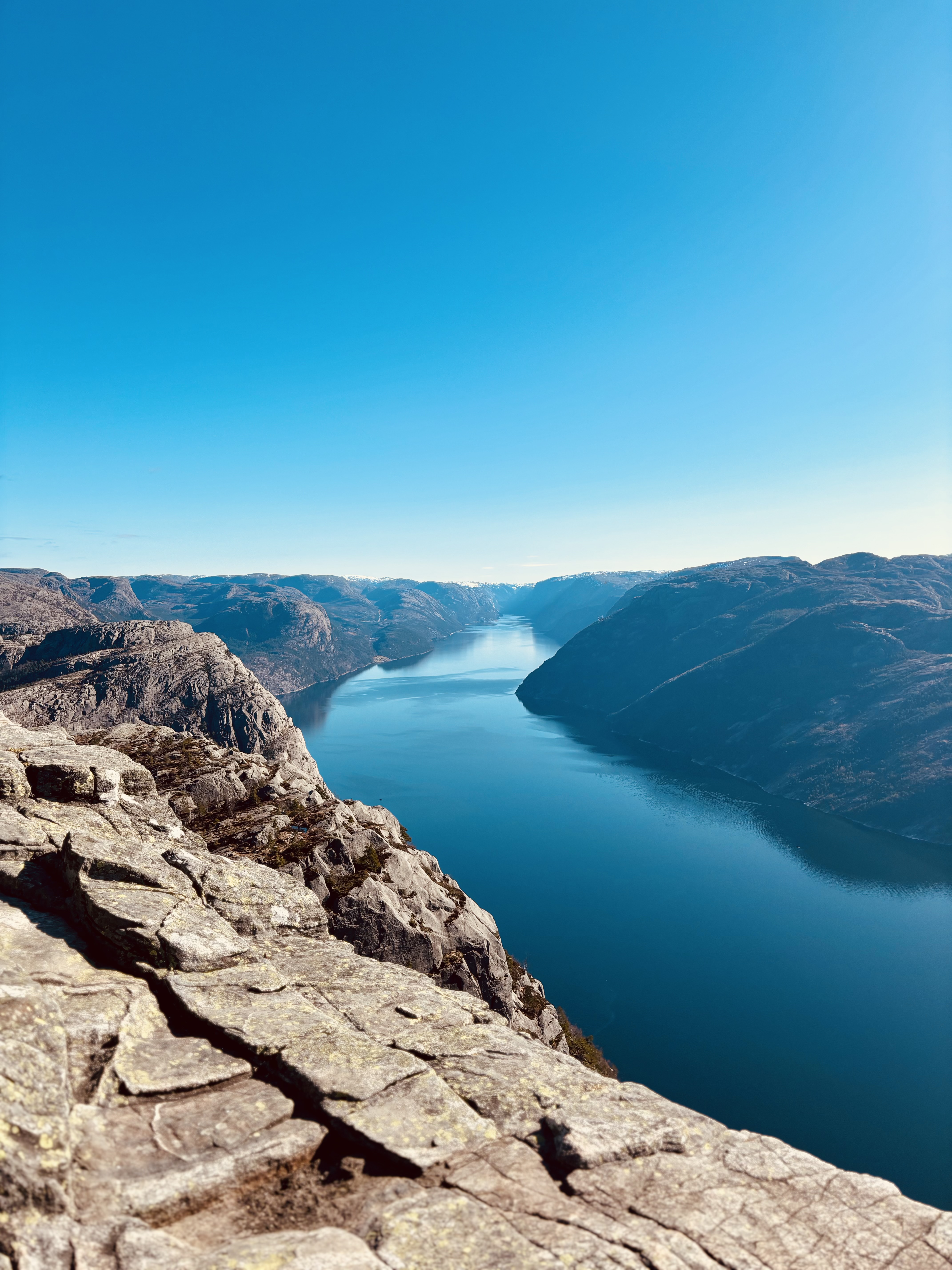
    I passed by more people, though I did get lost once on the trail, but quickly corrected that mistake. Once at the top, after crossing another chain barrier, I was greeted with a view – emptiness. No people, just silence, peace, and pure magic. Everything that had come before – the fatigue, the mistakes, the crowds – suddenly vanished, leaving only what really mattered.

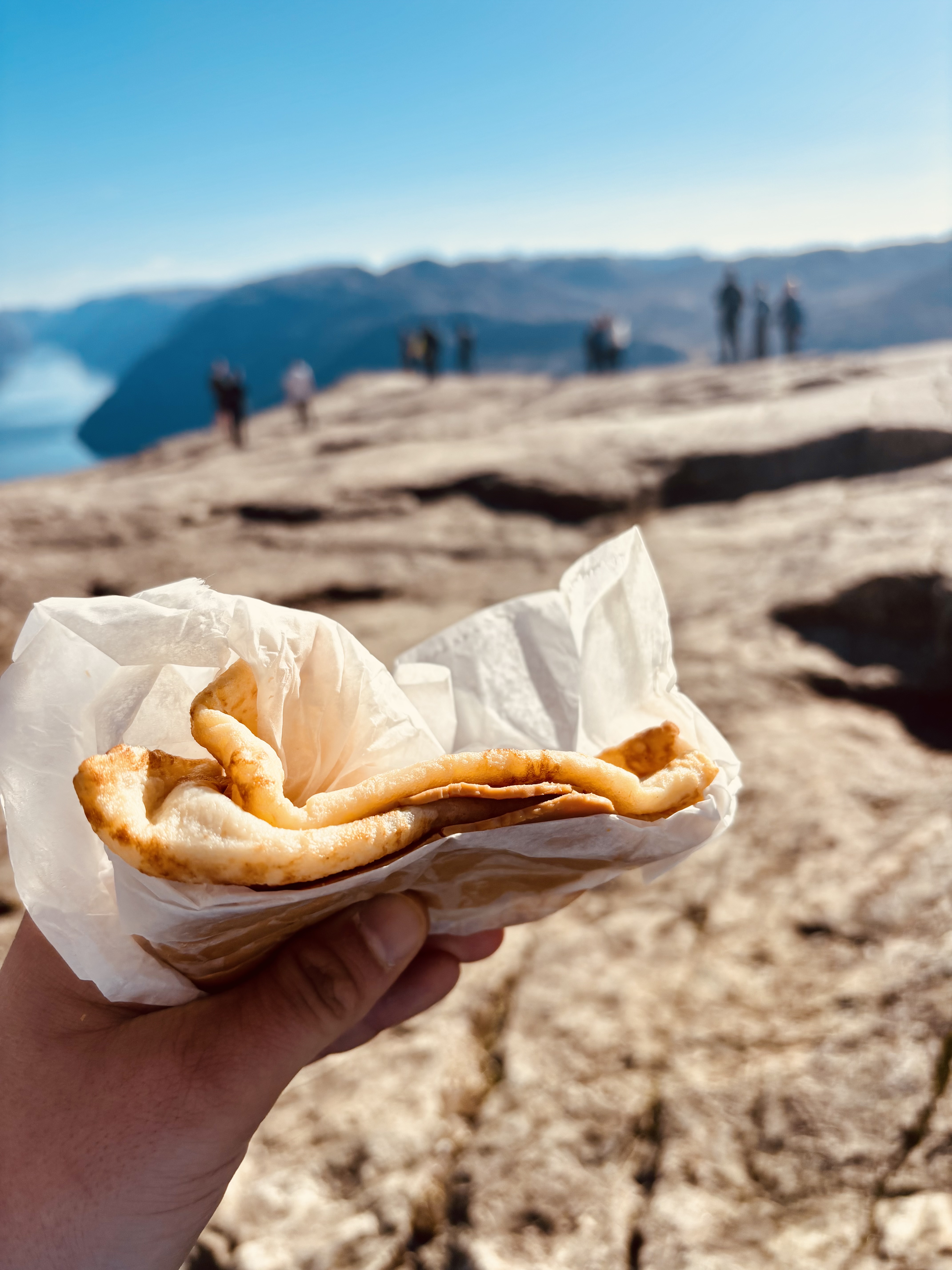
    On top of that, I hit the best weather of the year – perfect timing! Everything was just right. I took some pictures, sat down for a while, had a snack, and rested. Then, more photos, and I had the chance to chat with some exotic people – probably from Japan. The whole trip was something incredible, with people full of energy, no complaining. Everyone kept a positive vibe, which made the whole atmosphere truly special.

    I ran down the trail, trying not to bump into anyone, just to avoid accidentally knocking someone over. Once at the bottom, I found out the bus back would leave… but in three hours. The whole trip, including food, took me less than two hours, so I decided to head back up again. This time much slower, as my legs were starting to protest, and the views from every angle started to look different in the peaceful atmosphere.

    After another descent to the base, I grabbed a coffee and a quick snack – I had to gather myself because toilet time and other things took up most of my attention. From bad to worse – literally, as the weather completely changed. Instead of sunny skies, there was a downpour, which was the complete opposite of what I had before. There was no time for pondering; I had to pull myself together to avoid getting drenched too much and head back toward the bus.

    It’s nice sometimes to return to the same places, as it offers a unique opportunity to observe the changes – both in the surroundings and in ourselves. Every trip, every moment spent in a given place is not just about the views, but about the emotions that change depending on the stage of life we’re at. When we return, we notice things that might have slipped by before – not just in the landscape, but in our own feelings. We see how our perspectives change, how we perceive the same place differently after some time. It’s like meeting an old friend – sometimes a little different, but still the same. And though the changes may be subtle, it’s those very changes that make returning to the same places such a valuable experience. Preikestolen, like other places, showed me how the world around me changes, but also how I change – gaining new insights, noticing things I hadn’t before. And that’s the beauty of it, because every journey is a new opportunity to rediscover ourselves and the world.

  • I’m a total resident of my village now. Total? Yes. I’m paying for trash pickup, I wave to neighbors I actually know, and I complain about the road like everyone else. But it wasn’t always like this.

    When I first came here, I felt lost. I had lived my whole life in a big city. Everything was familiar there—my friends, my favorite cafés, the busy streets that somehow made me feel alive. And here? Just trees, fields, and silence. At first, it felt like nothing was happening. No people, no energy, no reason to stay.

    But then something strange happened. I started thinking about buying land. Me—barely in my twenties, no idea about real estate, and suddenly browsing plots near the forest like it made sense. Why? I didn’t really know at the time. Maybe I just wanted space. Maybe I needed a change. Or maybe something deep down already knew this quiet life could be good for me. Looking back now, it was one of the best decisions I’ve made.

    The neighborhood was quiet—almost too quiet at first. There was only one small shop, named after the woman who ran it. Not much to choose from inside, but somehow it was enough. People greeted each other by name, helped without asking, and knew whose cat was whose.

    Back then, I was still living in the city, biking out here on weekends just to see what was new. What they’d fixed, what had changed, how the house was coming along. It was a simple life with its own kind of struggles—long rides, slow progress, fewer comforts. But even then, I started to appreciate it. There was something honest in it all. Something peaceful.

    Over time, the visits turned into weekends, and weekends turned into staying longer and longer—until one day, I just didn’t go back. I had slowly built a life here without even realizing it. The forest became my favorite neighbor. The quiet that once felt strange became my comfort. I started waking up to birds instead of traffic. I planted things. I fixed things. I stayed.

    I still remember the first grill we made here. We bought a tiny grill from the petrol station, nothing fancy. We laughed, drank cheap wine straight from the bottle, and grilled Polish sausages under the open sky. It wasn’t perfect—half-burnt food, cold hands—but it was one of the best evenings I ever had. Simple, messy, and full of real joy.

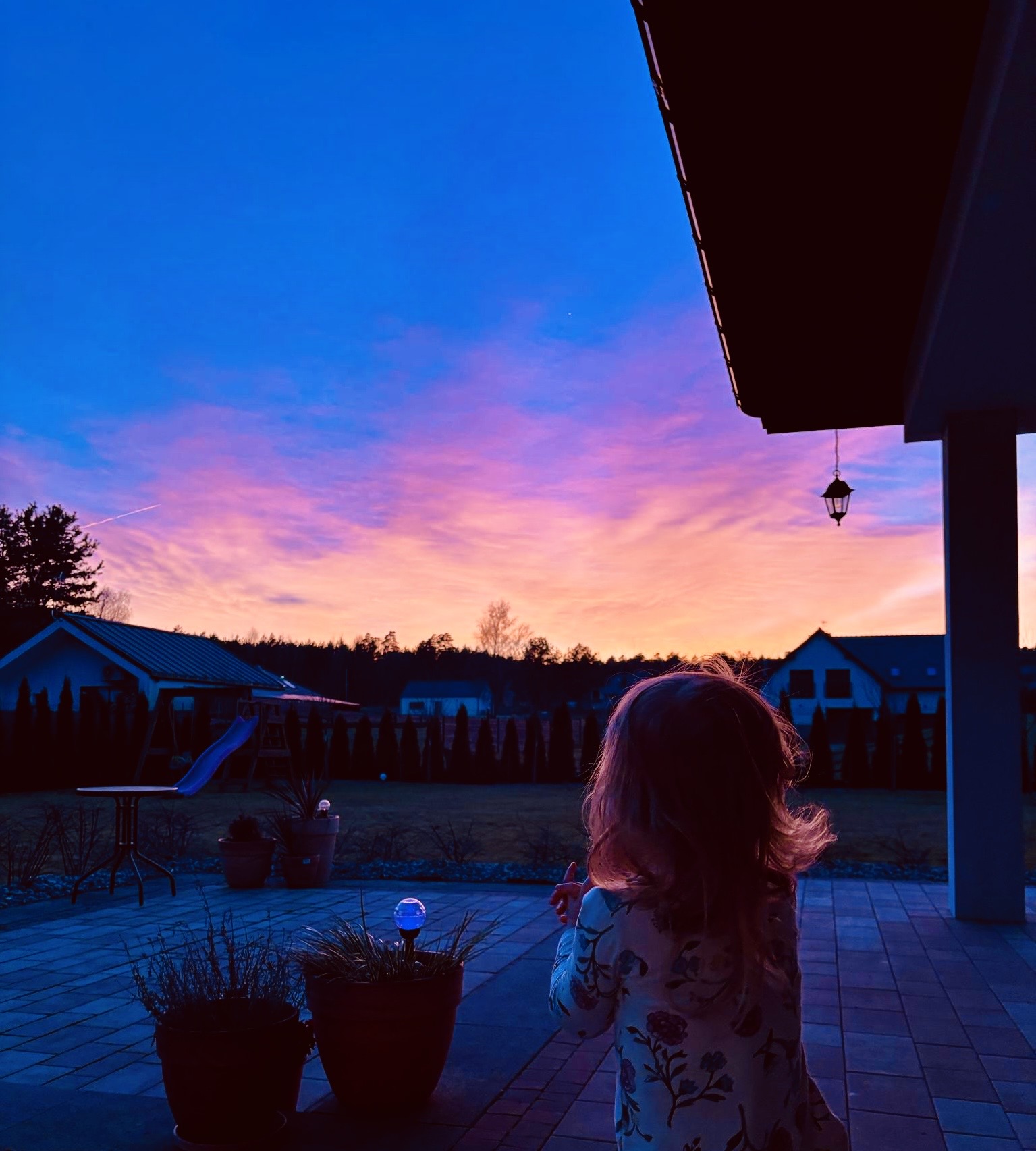
    Now I know the rhythm of this place. I know when the foxes come out, when the shop gets fresh bread, and when the skies mean rain is coming. It’s not a perfect life—things break, roads flood, winters bite hard—but it feels real. It feels mine. And I truly love it.

    Now, I have a family here. We live in peace, surrounded by the same quiet beauty that once seemed so foreign to me. The village has grown too. The infrastructure is still basic—nothing like the city’s—but it’s enough. Roads are better, the local school has a few more kids, and there’s always something new being built. It’s not perfect, but it’s enough for raising children, for living simply, for growing.

    Of course, with time, we’ve also lost some friends. It’s natural. Not everyone can follow the same path, and some prefer the city life. But we’ve gained new people, new connections—people who share the same love for this place. Just like the trees we’ve planted here, we’ve grown, we’ve built homes, we’ve raised children, and we’ve created our own small world in this peaceful village.

    Yet, despite everything, I miss something here. Sometimes, when I crave that city energy, we hop in the car and drive to the city. We need the noise, the crowds, the fast pace, just to feel like something’s happening. And even though it’s just for a moment, the hustle and bustle creates a kind of positive paralysis in me, as if the city is briefly holding time still. In those moments, I appreciate the simplicity of our life here in the village even more. The balance of happiness—between peace and chaos—sometimes is exactly what makes me feel whole.