Bonum Cursum

Savickis life journey

  • At 35, I’ve learned that balancing parenthood and career is no small feat, but there’s something else that keeps me grounded: my love for sports, especially cycling. Every year, I set aside time for a long ride—something that pushes me out of my comfort zone and offers a sense of accomplishment I can’t get from work or daily life.

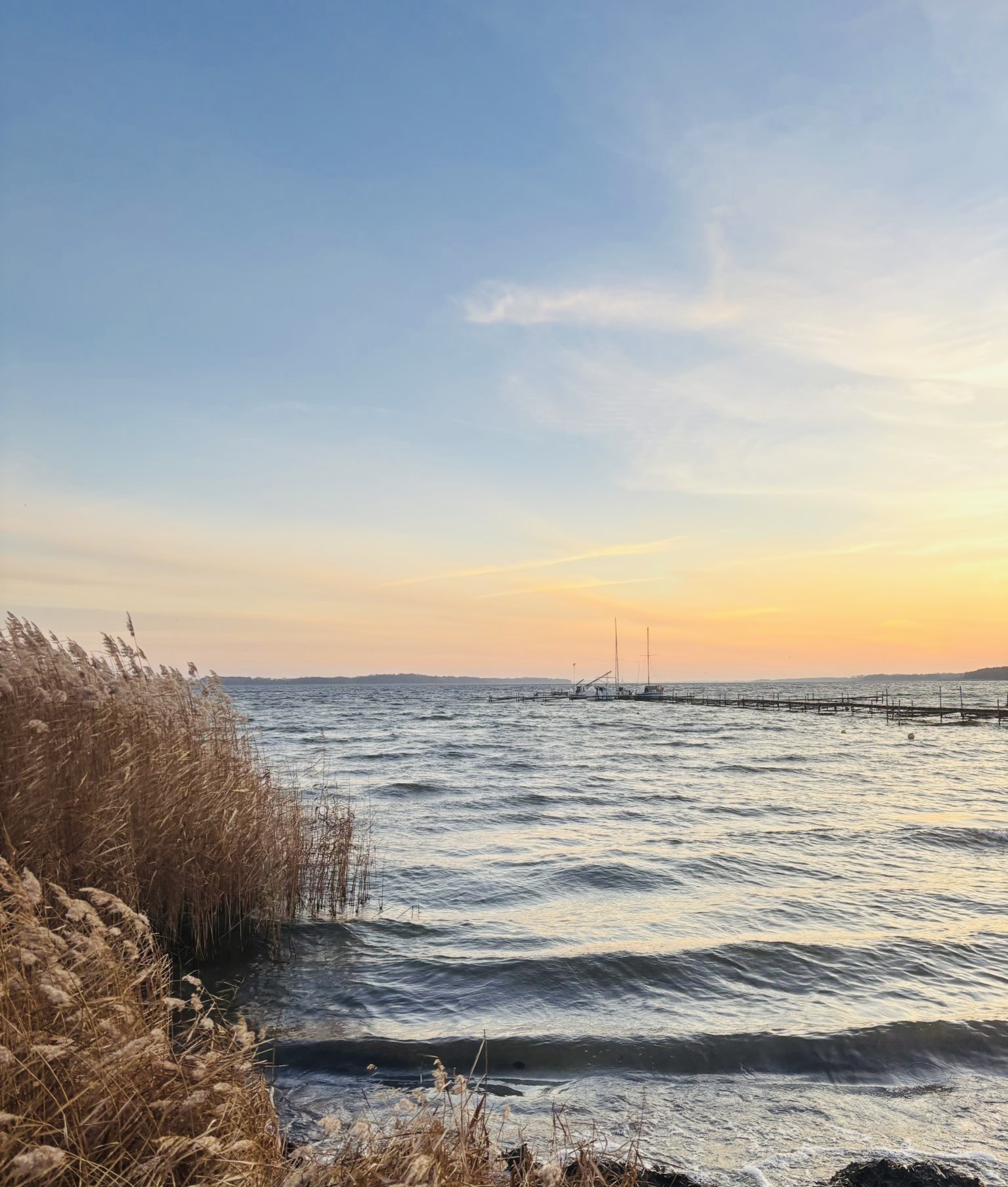
    Last year, I rode 200km to the Baltic Sea and back in one day. It was exhausting, but there’s nothing like the satisfaction of crossing that finish line, knowing you’ve tested your limits. This year, I’m planning a similar challenge, though I’m thinking of going in a different direction. I haven’t settled on the route yet, but I’m eager to explore new roads and take on another test of endurance.

    For me, these rides are more than just physical challenges. They’re moments of personal reflection, freedom, and clarity. They give me a chance to disconnect, to reset, and to remind myself that pushing through discomfort is often where the greatest growth happens. And when I finally return home, tired but satisfied, I know it was worth every pedal stroke.

    In the midst of parenthood and work, cycling gives me the space to breathe, to feel alive, and to remember that there’s always room to go the extra mile—whether on the road or in life.

    That said, I’m curious about what the future holds politically as well. The recent Polish presidential election had me thinking about where we’re heading as a country. And now, with Germany ramping up border controls, who knows what the next few months might bring. Maybe when I set off on my bike ride, I’ll end up heading toward Germany—only to be stopped by some border guards asking me what I’m up to.

    I guess I’ll find out if cycling through Europe is still as free as it used to be… or if I’ll get a lesson in international relations along the way! Guess I better pack my passport—just in case!

  • Sometimes, the best decisions are the impulsive ones. After finishing a night shift, I faced a choice: rest, or chase an adventure.

    The mountains were just a few miles away, but I didn’t expect how much they’d challenge me—not just physically, but mentally. The journey to Dalsnuten wasn’t a straightforward path, especially with the remnants of a night shift clouding my mind.

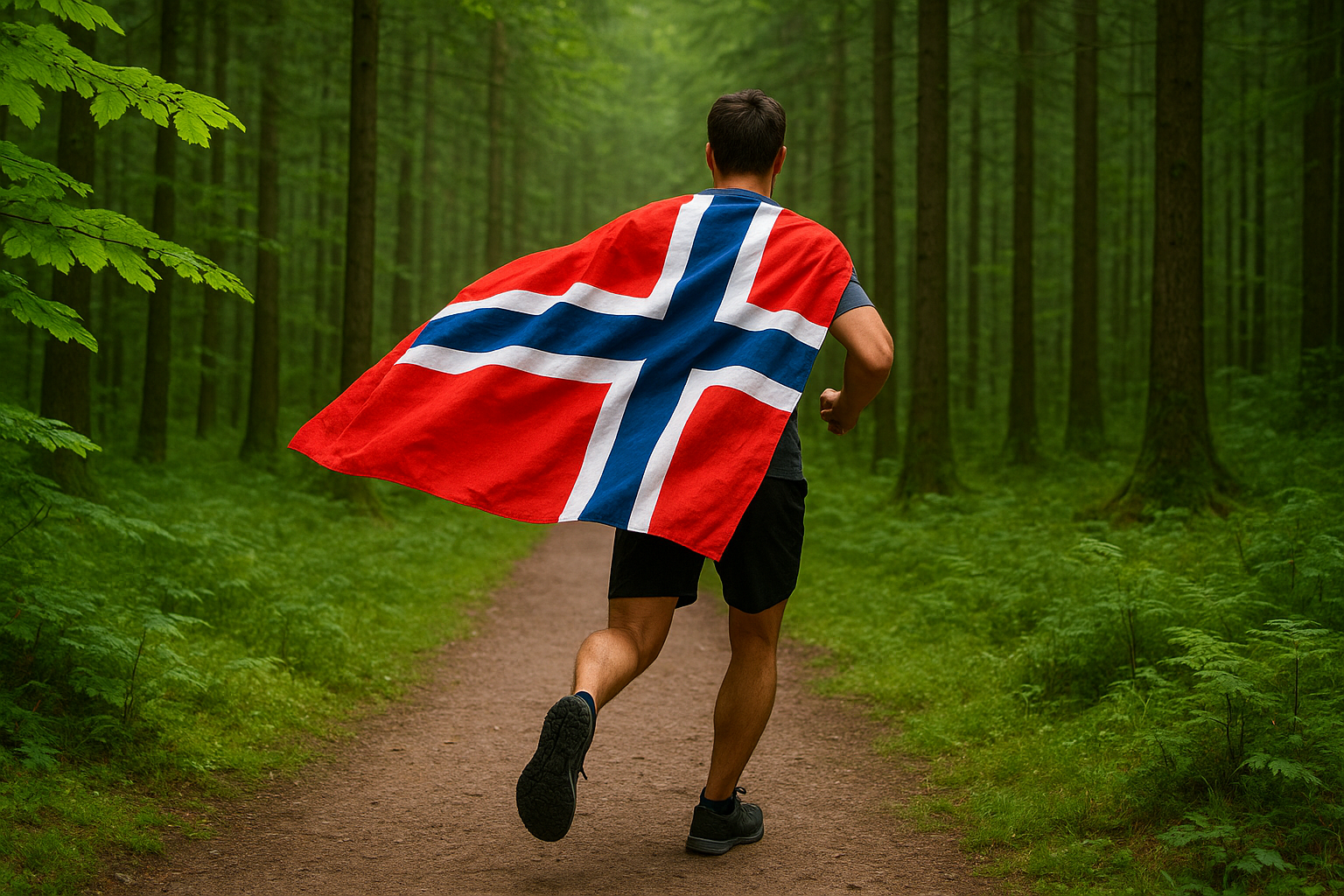
    After a quick warm-up jog through town, I caught a train to the next town over. The train ride felt like a reset, transitioning me from the hustle of the city to the calm of nature. Once there, I ran a couple kilometers until I hit the dirt trails leading to the hills. Though my legs were tired, the excitement pushed me forward.

    The climb was steep but rewarding. Nature’s quiet beauty—the cool breeze, rustling leaves—reminded me to slow down, breathe, and appreciate the moment.

    But here’s where the challenge lay: it wasn’t getting to the top—it was the return. After catching my breath at the summit, I realized retracing my steps wasn’t as easy as I thought. The path that had felt instinctive earlier now seemed daunting. The hardest part of any journey, I realized, is often the return.

    Though physically taxing, the return was a lesson in perspective. The same road I’d taken felt different, more intense, and made me reflect on how we often overlook the value of returning to where we started. Sometimes, going back offers more insight than moving forward.

    Whether it’s after a night shift or just life in general, the journey isn’t always linear. The act of returning—with a fresh perspective—is as valuable as the initial climb.

    Dalasnuten, a moderate trail in Norway, was the perfect test for endurance. It offers stunning views but also presents danger, especially in the rain. Slippery rocks and challenging terrain can quickly turn a simple hike into a more precarious task. I’ll be more mindful next time about the weather—nature can be unpredictable.

    In the end, the trail reminded me that both the peaks and the valleys have their lessons. As long as you approach them carefully, you can navigate life’s challenges, one step at a time.

  • I remember when my daughter was just 5 days old—tiny, wrinkled, and yet somehow already holding the family together with the sheer power of her cuteness. It was around that time I made what I now consider questionable decision. You see, I decided to run the 100k race. Yes, 100 kilometers. What was I thinking? I signed year before, after previous edition of this race.

    But here’s the kicker: my wife, who had just gone through the emotional and physical rollercoaster of childbirth, looked at me and said, “You know what? Go ahead. Go run your race.” Now, you’d think I’d be met with a series of stern looks and a long list of reasons why I should stay home and help with the newborn. But no, she actually gave me the green light. Was it because she was tired, delirious from sleep deprivation, or maybe just wanted a break from me? Probably all of the above.

    Looking back, I can’t decide if I was being ridiculously selfish or if I just needed an excuse to not be in the house, changing diapers and learning to decipher baby cries. “I’m gonna do this for me,” I thought. Maybe running this 100k would be a metaphor for fatherhood. Struggling through the pain, pushing through the exhaustion, and crossing the finish line with a sense of accomplishment… and then maybe passing out at the end because I haven’t slept in 5 days.

    But my wife? She didn’t bat an eye. She probably figured if I could run 100k, I’d at least be too tired to mess up anything else when I came back. “Good luck, honey!” she said, probably knowing I’d be limping around the house for the next few days and offering to change a diaper would seem like a Herculean task at that point.

    It wasn’t really about the race or the navigation, even though I’ll admit I was pretty proud of myself for not getting totally lost (or at least for not getting completely lost). The real adventure began when I got home. It was around 5:00 AM, and I thought, “Okay, quick shower, sneak into the bedroom, and I can maybe catch an hour of sleep before the baby wakes up.”

    But no. As soon as I reached for the door handle, I heard my wife’s voice: “You’re not going back to sleep. The baby’s already up.”

    Boom. There it was. After 100 kilometers of grueling running, I thought I’d earned at least a short moment of rest. But nope. Fatherhood doesn’t take breaks, especially when your daughter’s decided that 5 AM is the perfect time to start the day. And honestly, that moment—right there, with my hand on the door handle, realizing I was about to face another day of diapers and feedings—was way harder than running 100 kilometers.

    Looking back… hmm, was it worth it? On one hand, I felt like a hero crossing that finish line, but on the other hand, I barely made it to my own bed. Three years later, sitting here with a cup of coffee, I realize sometimes it’s worth going all in, even if it means you don’t get a single second of sleep.

    So, was it worth it? Maybe not physically (because let’s be honest, I was barely functioning), but in terms of memories—it absolutely was. It’s one of those stories you look back on and laugh about, even though when you were living it, you weren’t sure whether to laugh or cry. And you know what? Despite being completely exhausted, I think it was totally worth it. Because if that was the price for all the moments we’ve shared since then, then… it was worth every kilometer.

    Sometimes, you’ve got to go all in. Take that risk. Push yourself out of your comfort zone. It’s easy to stick with what’s safe and predictable, but every once in a while, it’s worth playing the “va banque” card—even if it feels a little crazy at the time. Sure, life can be tough, and we can’t always control everything, but there’s something incredibly satisfying about shaking things up.

    It’s not just about changing things in your personal life, either. Sometimes, it’s about adjusting how you approach work and responsibilities. Maybe it’s about realizing that work doesn’t always have to follow the rigid, traditional path we think it does. There’s a lot more flexibility than we give ourselves credit for, especially when we step back and look at the bigger picture.

    At the end of the day, it’s about finding balance. Yes, being a parent is demanding, but there’s always room to tweak your life, to take that step, and to create space for what really matters. Maybe, just maybe, the risk—whether it’s running a 100k or making a big career change—is what makes the journey worthwhile. So, here’s to going for it sometimes. Because in the end, it’s those bold moves that make life the adventure it’s meant to be.

  • This time very short. Usually, I’m one of the fast guys. I like the pace, the competition, the thrill of chasing the clock. But this time… well, I got so lost on the course that racing for time stopped making any sense. A couple of wrong turns and suddenly, it wasn’t about speed anymore.

    So instead of getting frustrated, I decided to just enjoy the run.

    Because isn’t that what it’s all about? You don’t always have to win. Sometimes it’s better to let go of the pressure, look around, and remember why you run in the first place. For the movement. For the adventure. For that moment when, even if your legs are shot, you cross the finish line with a smile.

    Because if you’re not smiling—you’re doing it wrong.

  • chapter one of article

    After days of marveling at Gaudí’s genius and winding our way through the architectural wonders of Barcelona, we felt it was time to slow down and enjoy the city’s more laid-back side. That’s the beauty of Barcelona—it offers both dazzling culture and deep relaxation, often just blocks apart. One of our favorite spots for unwinding quickly became the seaside promenade near Playa del Poblenou—a stretch of coast that, in our opinion, easily outshines the more famous Barceloneta. Just a few minutes’ walk from where we were staying, it became our go-to place for relaxed afternoons by the sea. The beach itself was surprisingly clean, with crews tidying up multiple times a day, and the promenade had everything you could want: places to eat, drink, and simply watch the world go by. The atmosphere had a nostalgic charm to it, especially with the beach vendors strolling up and down like they used to back on the Polish Baltic coast years ago.

    One afternoon, however, our laid-back vibe took a slight detour when my baby’s water bottle mysteriously vanished. What followed was an unexpectedly epic two-hour mission across town as I retraced our steps in full detective mode, determined to recover the lost treasure. No luck. But hilariously, the very next day, I just bought a new one—and somehow, that felt like a much more efficient solution.

    The only downside? Weekends brought the crowds—but we didn’t mind too much. With such easy access, we could enjoy it anytime we liked.

    One afternoon, in search of something fun (and air-conditioned), we decided to visit the Aquarium of Barcelona. We had heard it described as one of the best aquariums in Europe, especially for children—and while we might not fully agree with that lofty title, it was still a worthwhile experience. The layout felt a bit repetitive after a while, with many exhibits following the same formula, but for kids, that doesn’t really matter. The colorful tanks, tropical fish, and especially the long glass tunnel under the shark tank were clear highlights. It can get crowded, especially in the middle of the day, but the space is stroller-friendly and generally well organized. Lockers are available near the entrance and only cost two euros—a convenient solution if you’re carrying too much or want to move around more freely. All in all, while it may not be the most mind-blowing attraction for adults, it’s a solid choice for families and a fun way to mix things up during your stay.

    After leaving the aquarium, we took our time strolling along the waterfront, where some truly impressive ships were docked. Sleek yachts, tall-masted sailboats, and even a few naval-looking vessels lined the marina, offering plenty to admire as we walked. Just beyond the harbor, we had a surprisingly interesting view of the cargo port, with towering cranes and massive containers stacked like toy blocks. It was a reminder of the city’s working side—busy, industrial, and always moving.

    As we continued, we reached the foot of one of Barcelona’s more curious landmarks: the Monument a Colom, or Columbus Monument. Rising nearly 60 meters high, the statue of Christopher Columbus stands atop a richly decorated column, pointing dramatically out to sea. Interestingly, he’s not pointing toward the Americas as many assume, but more symbolically toward the open world. Built for the 1888 Universal Exposition, the monument celebrates Columbus’s first voyage and his ties to Spain. While it’s often overlooked compared to flashier attractions, we found it surprisingly impressive up close. You can even take a tiny elevator to the top for a panoramic view over the harbor and the lower part of La Rambla—though we passed on that part, since the idea of squeezing into a vintage lift with a stroller didn’t sound like fun. Still, standing in its shadow, you get a sense of both history and the city’s seafaring soul.

    One evening, craving some solitude and a bit of physical challenge, I laced up my running shoes and set off on a long training run toward Tibidabo—Barcelona’s highest peak, rising over 500 meters above sea level. It’s not just a mountain; Tibidabo is also home to several of the city’s most iconic (and somewhat underrated) attractions. At the summit, you’ll find the Temple Expiatori del Sagrat Cor, a striking neo-Gothic church crowned with a bronze statue of Christ stretching out his arms over the city. Right next to it sits one of Europe’s oldest amusement parks, with vintage rides, a small Ferris wheel, and a viewing platform that offers breathtaking panoramic views over Barcelona and the Mediterranean.

    Starting from near the sea, I followed a winding route all the way up to the summit—a journey that turned out to be much longer and steeper than I had expected. The trail was a mix of city streets, shaded forest paths, and old service roads, and by the time I reached the top, the sun had dipped below the horizon. Though I had saved some offline maps, they were slightly outdated and didn’t show all the smaller trails clearly. On the way down, I ended up taking a steep, rocky descent—more of a dry riverbed than a proper path—and paid for it with a few sore spots the next morning.

    As darkness set in, the silence became almost total; I didn’t see another soul on the trail, which made the experience both peaceful and slightly eerie. But the view from the top made it all worthwhile: the twinkling lights of the city stretched out below like a glowing sea, and the sky was painted with the last streaks of dusk. There’s a vending machine near the summit—ridiculously overpriced, of course—but at that moment, the cold Fanta it delivered felt like the nectar of the gods. Exhausted but content, I made my way back into the city, sore legs and all, feeling like I’d just discovered a wilder, more mysterious side of Barcelona that most tourists never see.

    Another day, driven by curiosity and a bit of wanderlust, I set off to explore Barcelona’s second great hill—Turó de la Rovira, home to the famous Bunkers del Carmel. Perched high above the city, these old concrete bunkers once served as anti-aircraft defenses during the Spanish Civil War, but today they offer one of the most spectacular—and raw—views of Barcelona. The hike up is steep and rocky, with uneven paths that definitely rule out strollers or little legs. So while the rest of the family relaxed nearby, I took off on a solo run to the top, camera in hand.

    The trail was rugged and mostly unmarked, winding through dry brush and dusty paths with sharp inclines, but the effort paid off. Once at the summit, I was treated to an incredible 360-degree panorama—Barcelona unfolded beneath me in all directions. Unlike the polished, postcard views from Tibidabo, the perspective here felt more grounded and honest. The industrial zones, distant port areas, and rows of residential rooftops gave me a deeper appreciation for the city’s scale and diversity.

    The bunkers themselves are simple and graffitied, but that rawness adds to the charm. It felt like a place locals still come to think, hang out, or just watch the sunset. I snapped a few photos, took a moment to breathe it all in, and then made my careful descent—ankles a little shaky, but heart full. This wasn’t a tourist stop with neat fences or polished signs—it was just Barcelona, laid bare, and I loved that.

    Another highlight of our time in Barcelona was our visit to Montjuïc and the nearby castle. The first time, we took the bus up—easy and straightforward. But on our second visit, we decided to do something a bit more scenic and took the cable car (klejka linowa, as we kept calling it). It wasn’t too expensive, and the ride offered breathtaking views over the rooftops of Barcelona, gradually opening up to reveal the shimmering sea and the sprawling cityscape below. Definitely worth it.

    Once at the top, we had a trolley at our disposal—perfect for carting around all the baby gear without breaking our backs. The three guys who helped us out were incredibly kind and made everything feel smooth and easy, which we really appreciated.

    Montjuïc Castle itself was a quiet and impressive presence, sitting atop the hill like a watchful guardian of the city. Originally built in 1640 during the Catalan Revolt, it was later reinforced in the 18th century and played a significant role in many chapters of Barcelona’s—and Spain’s—turbulent history. Over the years, it has been used as a military fortress, a prison, and even a site for political executions during Franco’s regime. It’s strange to think that such a peaceful spot today once held such a heavy past.

    Wandering around the castle’s ramparts, we could feel the weight of its history, but also admire the beauty surrounding it. The views from the top were absolutely stunning. To one side, the city unfolded in all its colorful chaos; to the other, we had a commanding view of the industrial harbor and cargo port. It was almost hypnotic to watch the cranes and massive container ships below—like watching a giant machine at work from a peaceful, elevated balcony.

    After soaking it all in, we wandered down to a nearby café tucked in the neighborhood just behind the hill. We sat outside with coffee in hand, the baby napping in the trolley, and felt completely at ease. A perfect mix of sightseeing and slowing down, wrapped in a bit of history.

    No trip to Barcelona would be complete without a stop at its most famous market—La Boqueria. Located right off the bustling La Rambla, it’s surprisingly easy to get to; we just hopped on a bus and were there in no time. It’s best to go in the morning, though be warned—it gets a bit crowded early on, especially with locals grabbing fresh produce and curious tourists weaving through the stalls. But the energy is part of the charm.

    La Boqueria is a full-on sensory experience. Everywhere you look, there’s an explosion of color—glossy fruits stacked in pyramids, vibrant vegetables, rows of sweets, spices, and hanging hams. We stopped at one of the juice stands to sip fresh fruit juice—so cold, sweet, and refreshing. The bright colors and aromas reminded us of markets in Morocco, with that same lively, slightly chaotic atmosphere that somehow just works.

    Even with the crowd, there’s a kind of rhythm to the place. People come and go, stall owners shout greetings, and the smell of fried seafood or jamón wafts through the air. It’s a great sp

    PS: Of course, while we loved exploring Barcelona’s colorful streets and lively markets, we couldn’t ignore one important reality: pickpocketing. The city, especially popular spots like La Rambla, the metro, and busy tourist areas, is known for clever and lightning-fast pickpockets. It’s not something that should scare you off—just something to be smart about. We quickly learned to keep valuables in hard-to-reach places. Money belts under clothes worked well, and a crossbody bag worn in front with zippers always closed became our standard. We also avoided keeping phones or wallets in back pockets—basically an open invitation.

    So yes—Barcelona is amazing. Just treat your belongings like you would in any big, busy city: with care, and a bit of street smarts.

    Looking back on our time in Barcelona, we can truly say—it’s a city that welcomes families with open arms. From clean beaches and world-class architecture to stroller-friendly parks and kind strangers who help without asking, it struck a wonderful balance between adventure and comfort. While you do need to stay alert, especially on public transport or in busy areas like La Rambla (where pickpocketing is a real issue), we never felt unsafe. Just a bit smarter and lighter on our feet.

    The public transportation system deserves its own praise—buses, trams, and the metro are all reliable, affordable, and easy to navigate, even with a toddler and gear in tow. And when it comes to value for money, Barcelona stands out. Compared to many other European capitals, prices here felt refreshingly reasonable—whether for a great meal, museum entry, or even that emergency baby bottle replacement.

    In the end, what made Barcelona so special for us was its rhythm: bold yet laid-back, proud yet warm, full of life but with quiet corners to breathe. It’s a place we’d return to in a heartbeat—and one we’ll remember not just for the sights, but for how it made us feel. Like we belonged, even if just for a little while.

    And one thing is certain: we’ll definitely be back.

    chapter one of article