Ostatni dzień roku. Ten moment pomiędzy, jeszcze trochę tu, a już myślami w nowym. W domu ciepło, rodzinnie, wspominamy to, co było, śmiejemy się z drobiazgów i planów, które może nigdy nie powstaną, ale dziś brzmią dobrze.
Pierwszy raz tej zimy spadł śnieg. Na chwilę świat zwolnił i zrobił się biały. Wiemy, że nie na długo, za moment stopnieje, więc nie ma czekania. Sanki od razu w ruch, ślady na śniegu, rumiane policzki i ta dziecięca radość, która udziela się wszystkim.
Za chwilę nowy rok i cichy krok do przodu. Jestem wdzięczny za to co jest.
Jeszcze niedawno odliczaliśmy ostatnie dni starego roku, a teraz mija już kolejny tydzień nowego. Czas leci szybciej, niż by się chciało.
Pierwszy dzień roku u nas zaczął się od treningu i totalnego załamania pogody. Deszcz, wiatr, chaos. Chwilami wyglądało to jak mały armagedon, bardziej przetrwanie niż bieganie, walka o każdy kolejny krok. Było ciężko, ale pierwszy trening zaliczony.
Jak to mówią, jaki pierwszy dzień, taki cały rok. Dlatego potem już spokojniej. Czas z rodziną w ulubionej kawiarni, ciepło, rozmowy i moment oddechu. Dobry początek.
Od 2010 roku interesuję się długim bieganiem. Przez ten czas uczestniczyłem w ultramaratonach, rajdach adventure race i wyrypach górskich. To, co kiedyś było wyłącznie pasją, stało się sposobem życia, a każda kolejna przygoda uczy cierpliwości, wytrwałości i szacunku do własnego ciała.
Postać Scotta Jureka jest dla mnie legendarna. Jego osiągnięcia – siedmiokrotne zwycięstwo w Western States 100-Mile Endurance Run, rekordy w ultramaratonach i ogromna konsekwencja w treningu – robią wrażenie, ale jeszcze bardziej inspiruje jego podejście do odżywiania i życia.
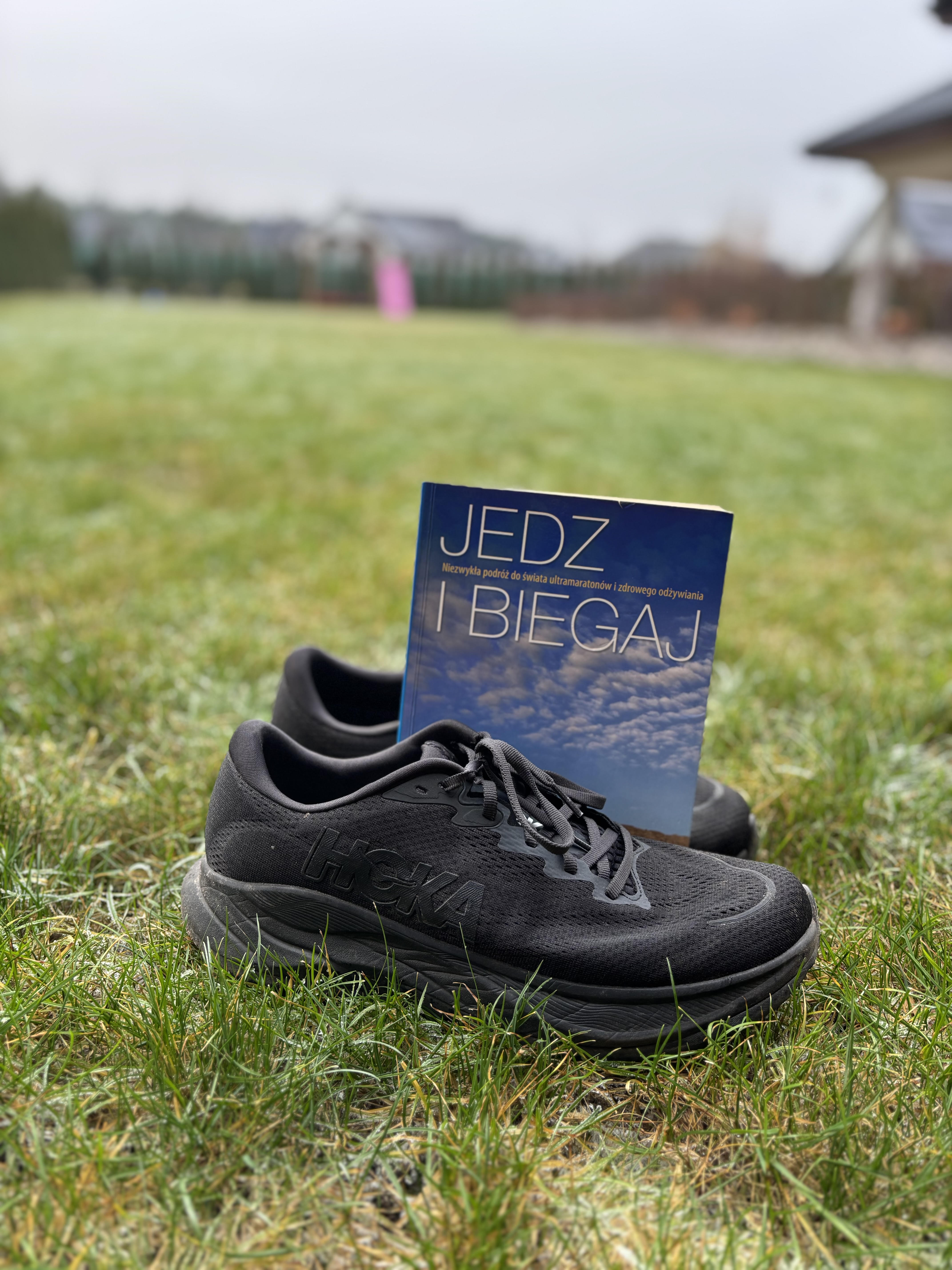
Tydzień 1. „Jedz i biegaj” Scotta Jureka
Książka to nie tylko historia sportowych sukcesów, ale też bardzo osobista opowieść o życiu Scotta. Mówi o rodzinie, o tym, jak ważne są bliscy w trudnych momentach, o obciążeniach fizycznych i psychicznych, które niesie ultramaraton, o ciężkiej walce, bólu życia, o porażkach i zwycięstwach, o tym, jak każdy wyścig, każda przeszkoda kształtuje człowieka. To historia o zdobywaniu, formowaniu charakteru i wytrwałości. Bardzo inspirujące.
Scott pokazuje, że dieta roślinna pozwala nie tylko osiągać ekstremalne wyniki, ale też wspiera zdrowie i długowieczność. Jego podejście do życia można opisać jako slow life czyli uważne życie w zgodzie z rytmem ciała i natury, pełne refleksji i świadomych wyborów.
U nas w domu książka Scotta miała bezpośredni wpływ na to, co jemy. Zaczęliśmy zwracać większą uwagę na roślinne źródła energii, wprowadzać więcej składników, które dają siłę i wytrzymałość, a jednocześnie są lekkie i pełne smaku. Inspiracja płynie nie tylko z przepisów, ale z filozofii, że jedzenie może być paliwem, przyjemnością i sposobem na świadome życie jednocześnie.
Książka Scotta to nie poemat kucharski, ani typowy poradnik, to historia życia w pigułce. Pokazuje, co można osiągnąć dzięki wytrwałości, pracy nad sobą i konsekwentnemu dążeniu do celu. To opowieść o wzlotach i upadkach, ciężkiej walce, zwycięstwach i porażkach, o bólu życia i satysfakcji z pokonywania własnych granic.
Czytając ją, trudno nie poczuć inspiracji. Scott udowadnia, że sukces to wynik dyscypliny, cierpliwości i świadomych wyborów – zarówno w treningu, jak i w codziennym życiu. Nawet jeśli nie biegasz ultramaratonów, jego historia pokazuje, jak pasja, determinacja i konsekwencja mogą kształtować życie, a każde wyzwanie, duże czy małe, jest okazją do wzrostu.
Scott Jurek pokazuje, że bieganie, jedzenie i spokojny rytm życia mogą iść w parze w pełnej harmonii. Dla mnie ta książka to nie tylko inspiracja sportowa, ale też kulinarna i filozoficzna o tym, jak pasja, konsekwencja, ciężka praca i świadome wybory kształtują życie, jeden krok i jeden posiłek na raz. Jest to jedna z moich ulubionych książek, wertowana wiele razy i nie jedyna tego autora.
Eng
Since 2010, I’ve been passionate about long-distance running, participating in ultramarathons, adventure races, and mountain challenges. What started as a hobby became a way of life, teaching patience, perseverance, and respect for the body.
Scott Jurek is a legendary figure for me. His achievements, including seven consecutive wins at the Western States 100-Mile Endurance Run and numerous ultramarathon records, are impressive, but his approach to life and nutrition is even more inspiring.
Week 1: Eat & Run by Scott Jurek
This book is more than a sports memoir. It is a deeply personal story about life, family, challenges, pain, and triumphs. Scott shares how each race and obstacle shaped him, showing what can be achieved through perseverance and dedication. His philosophy of slow life, living mindfully in harmony with your body and nature, resonates deeply.
At home, his story influenced how we eat, encouraging more plant-based energy sources that are both nourishing and flavorful. It is not a cookbook or a typical guide, but a life story in a nutshell, full of highs and lows, struggle, and satisfaction from overcoming limits.
Reading it is truly inspiring. Even if you do not run ultramarathons, Scott’s journey shows how passion, discipline, and conscious choices can shape life, turning every challenge into an opportunity for growth.
For me, this book is not only a source of sports inspiration but also a philosophical and lifestyle guide, a reminder that life is built one step and one meal at a time. It is one of my favorites, and definitely not the only book by Jurek I have returned to.
Kończąc 2025 rok, coraz częściej łapię się na tym, że patrzę wstecz aż do 2015. Dziesięć lat różnicy to niby tylko liczba, a jednak cały inny świat. Inne tempo życia, inne ambicje, więcej spontaniczności i mniej kalkulowania. Wtedy wszystko wydawało się prostsze, a jednocześnie bardziej intensywne.
Tamten rok był dla mnie wyjątkowy sportowo. Świetne starty, poczucie formy i głód kolejnych wyzwań. Spełniłem jedno z większych marzeń. Pobiegłem Chicago Marathon. USA, ogromna impreza, tłumy kibiców i świadomość, że jest się częścią czegoś naprawdę wielkiego. Do dziś pamiętam emocje na starcie i satysfakcję na mecie. Za wielką wodą…
Chicago 2015, jutro maraton. Kontemplacja w Grant Park.
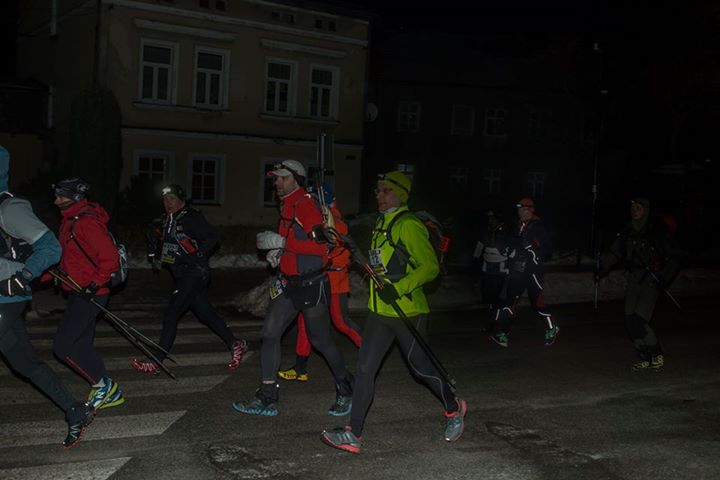
Był też Ultramaraton Hrabstwa Kłodzkiego. Jedyny ultra, w swoim rodzaju. Trudny, wymagający, momentami brutalny, ale niesamowicie uczący. Tam zrozumiałem, jak daleko można zajść, kiedy głowa nie odpuszcza oraz jak dobiec z jednym butem blisko 70km. 🙂
Dziś, w 2025 roku, mam inne priorytety i inne spojrzenie na bieganie i życie. Ale wspomnienia tamtych lat wracają z ciepłem. Przypominają mi, skąd jestem, ile już przeszedłem i że warto czasem zwolnić, spojrzeć wstecz i docenić drogę, a nie tylko cel.
Na starcie I Ultramaratonu Hrabstwa Kłodzkiego. Na drugim planie sylwetka w czerwonej kurtce, w ruchu, z chustą zasłaniającą twarz. Kadr, który bardziej opowiada o drodze i determinacji niż o samym biegu.
Rok 2026 zaczynam z nowym wyzwaniem. Zwyczajowo czytam sporo książek, mimo że życie bywa zajęte. Teraz postanowiłem sprawdzić siebie jeszcze bardziej. Wyzwanie jest proste w formie, ale wymagające w praktyce, 52 książki w roku, jedna na tydzień.
Zaczynam wcześniej, żeby złapać rytm. Nie chodzi o tempo, nie o liczby, tylko o przyjemność czytania i konsekwencję. Każda książka to mała podróż, nowa perspektywa, myśl, która zostaje.
Będę pisał o tym regularnie w piątki, żeby obserwować postępy i dzielić się wrażeniami. To po prostu sposób, żeby w tym roku czytać jeszcze więcej, bez presji i planów na przyszłość.
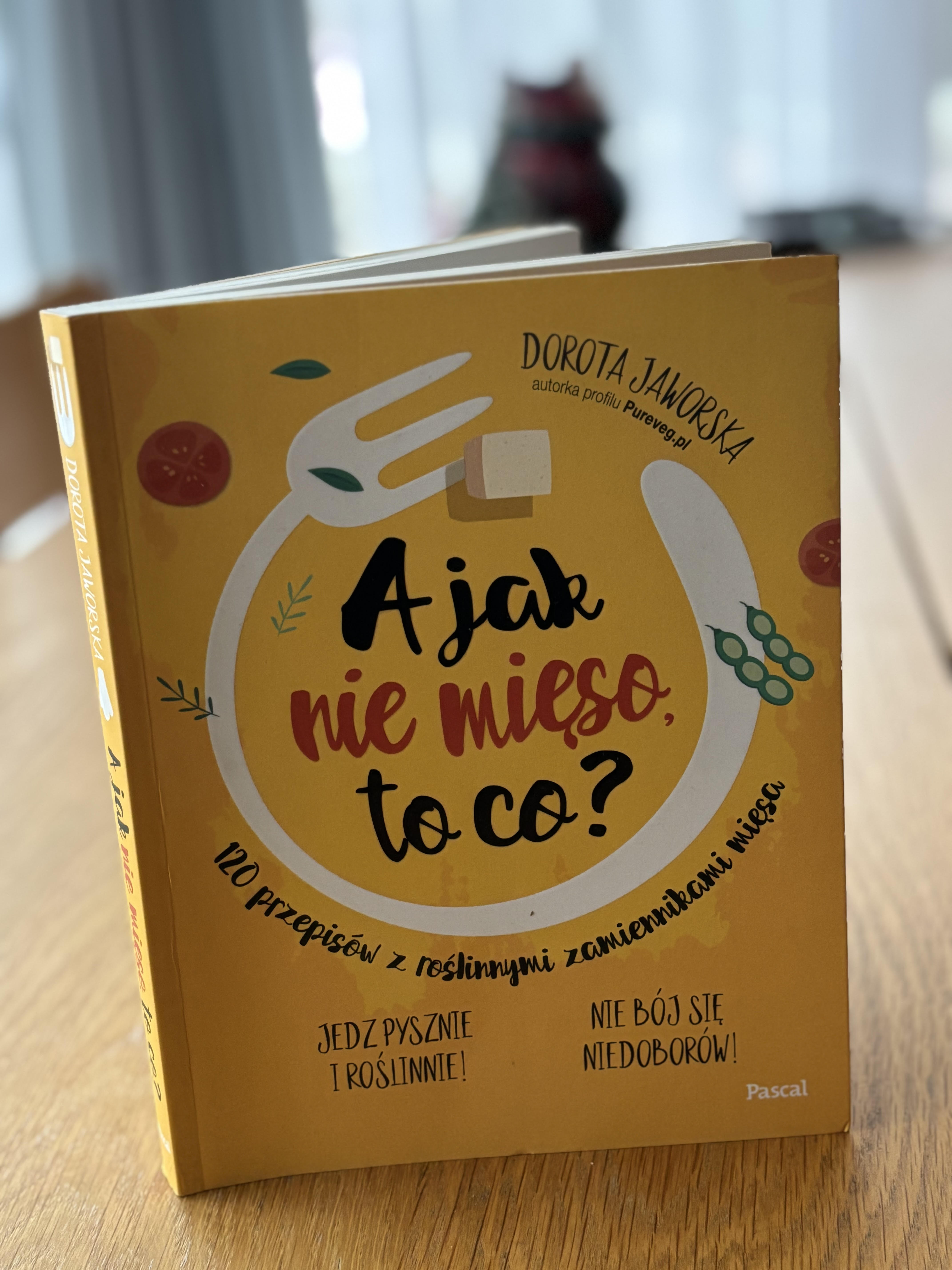
Tydzień 0. „A jak nie mięso, to co? 120 przepisów z roślinnymi zamiennikami mięsa” Doroty Jaworskiej.
Książka pokazuje, co jeść zamiast mięsa, z praktycznymi pomysłami na dania i zamienniki, takie jak tofu, tempeh, seitan i inne roślinne składniki. Znajdziesz w niej aż 120 przepisów i inspiracji do kuchni bez mięsa.
Tofu w naszym domu pojawia się kilkanaście razy w roku. Kiedyś częściej, teraz rzadziej, ale zawsze wtedy, gdy ma szansę zabłysnąć. Mamy mnóstwo książek wegańskich w biblioteczce, a pasja żony do gotowania w tym stylu sprawia, że każdy posiłek może być przygodą.
Wyjątkowo doprawione tofu to prawdziwy rarytas. Nie jest łatwo znaleźć taki smak, który zachwyca od pierwszego kęsa, ale weekendy są zarezerwowane dla najlepszej tofucznicy w mieście, czyli w naszym domu. Tofu po koreańsku to cudo, które czasem ratuje cały obiad i robi furorę nawet u mięsożerców.
Jeśli znajdę odpowiednie zdjęcie, wrzucę edit z tym tofu, żeby wszyscy mogli zobaczyć, jak wygląda w akcji. Bo czasem obraz mówi więcej niż tysiąc słów, a smak nawet więcej niż tysiąc zdjęć.
Dorota Jaworska jest dziennikarką i autorką bloga oraz książek kulinarnych. Podróżuje, odkrywa lokalne kuchnie świata i zbiera inspiracje do roślinnych potraw, pokazując jak bogata i różnorodna może być kuchnia bez mięsa. Jej książki zachęcają do eksperymentowania i do spojrzenia na roślinne posiłki nie jako zamienniki, lecz jako pełnoprawne, pyszne dania.
Nie da się ukryć, że bycie vege czasem wywołuje komentarze. Szczególnie przy przepisach vega, ale ala mięso. Ludzie patrzą podejrzliwie, jakby tofu miało zacząć mówić i udawać kurczaka. Do sceptyków mam jedno, spokojnie, nikt Wam mięsa nie zabierze, a tofu nie kąsa. 😄 Można eksperymentować, bawić się smakami i wciąż jeść normalnie.
Z tej książki upatrzyłem sobie przepis na tofu ala wątróbka z cebulką i jabłkiem, mój kolejny kulinarny challenge. Weekend zapowiada się aromatycznie i smacznie, a jeśli wyjdzie dobrze, kto wie, może nawet mięsożercy poproszą o dokładkę.
Starting 2026 with a new challenge – 52 books in a year, one per week. I usually read a lot despite a busy schedule, but now I’m pushing myself a bit further.
Week 0 is Dorota Jaworska’s book What If Not Meat? 120 Recipes with Plant-Based Meat Alternatives. I’ve already spotted a recipe for tofu “like liver” with onions and apples – my next culinary challenge.
Tofu appears a handful of times a year in our house. Weekend portions, seasoned just right, can wow even meat lovers. If I find a good photo, I’ll add an edit – because presentation matters 😄
People sometimes give weird looks at plant-based recipes that try to mimic meat. Relax, no one is stealing your meat, and tofu doesn’t bite. You can experiment, play with flavors, and still eat normally.