

Training during a hot summer can be incredibly challenging. The heat makes even the simplest workouts feel like an intense battle with the elements, testing both your body and your willpower. But one thing is clear: there’s no room for excuses. The weather may be warm, but athletes have always found ways to push through, adapt, and keep training in top form. Whether it’s running, cycling, or swimming, there are always alternatives that can help you stay in shape, even in the hottest weather.
The key is adjusting your routine, listening to your body, and being smart about how you train. Professional athletes, for instance, don’t let the summer heat derail their progress. They adapt their training schedules, find cool alternatives, and make adjustments to nutrition and hydration. Here’s how you can make summer training more manageable, with ten tips to help you push through:
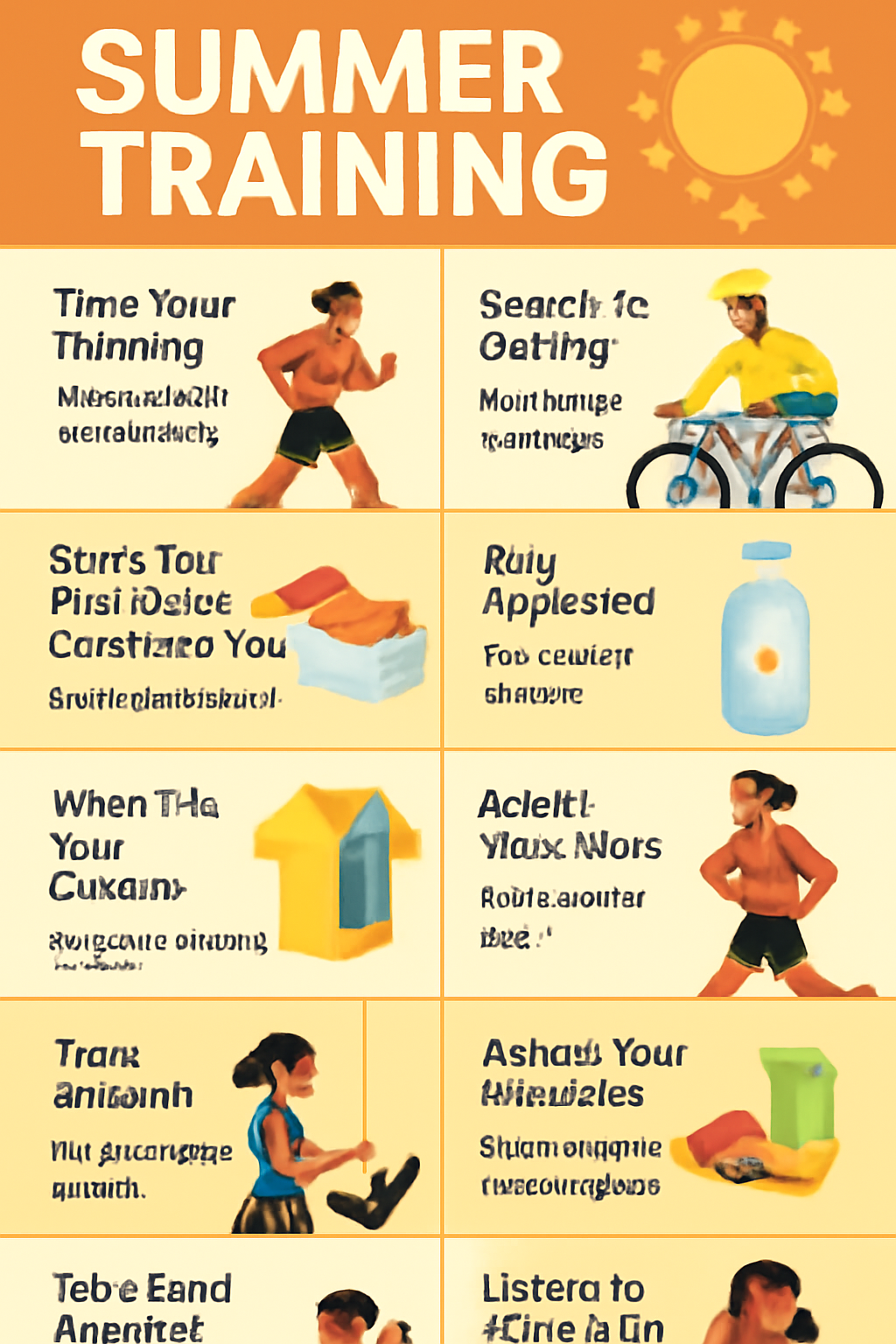
- Time Your Training
Early mornings or late evenings are the best times to train when temperatures are cooler. The sun is lower, and the heat hasn’t fully kicked in. As professional runners and cyclists do, waking up early to get your training done before the sun gets too intense can help you avoid the worst of the heat. - Switch to Cycling
If running feels too taxing in the heat, switch to cycling. It’s a great low-impact alternative that keeps your cardio in check without putting too much strain on your joints. Athletes often mix running with cycling, especially in the summer months, to preserve energy and reduce the risk of heat-related injuries. - Swim for Full-Body Conditioning
Swimming is a perfect summer sport. It provides a full-body workout without putting too much stress on your muscles and joints, and the cool water keeps you refreshed. Many professional triathletes focus on swimming during the summer to avoid overheating while still working on their endurance. - Stay Hydrated
The most important thing in hot weather is staying hydrated. Drink plenty of water throughout the day, not just during your workout. Electrolyte-rich drinks are also essential to replenish sodium and potassium levels lost in sweat. - Wear the Right Clothes
Lightweight, moisture-wicking clothing helps keep you cool while working out. Opt for breathable fabrics like cotton, or go for technical gear designed specifically for hot conditions. Some athletes even wear ice vests or cooling towels during their recovery to lower their body temperature. - Adapt Your Pace
When the heat is unbearable, it’s important to listen to your body and slow down. Trying to push through at your normal pace can lead to overheating and burnout. Many elite athletes adjust their pace during hot months and take breaks more frequently. - Train Indoors
If outdoor training is unbearable, take it inside. Running on a treadmill, cycling on a stationary bike, or doing high-intensity interval training (HIIT) indoors can help you stay fit without battling the heat. Many athletes use indoor training as a supplement during extreme weather conditions. - Adjust Your Nutrition
Hot weather means more sweat and energy expenditure, so your nutrition needs change. Focus on lighter meals that are rich in fruits, vegetables, and lean proteins. Fresh smoothies and salads with plenty of hydration (like watermelon and cucumber) are ideal during summer. - Take Cool Showers or Ice Baths
After a workout, cooling down is essential. An ice bath can reduce muscle inflammation and prevent overheating. Alternatively, a cool shower can help you lower your body temperature quickly and help with muscle recovery. - Listen to Your Body
This is the most important tip of all. Never push yourself past your limits, especially in extreme heat. Listen to your body’s signals and be prepared to stop if you start feeling dizzy, nauseous, or weak. Heat exhaustion can happen quickly, so it’s crucial to stop and cool off before it becomes a serious issue.
Food Matters: What to Eat During Hot Weather Training
Nutrition plays a critical role in how you handle summer training. As the temperature rises, so does your need for fuel and recovery. When it’s hot outside, you burn more calories, and it’s important to replenish that energy. Focus on foods that help replenish fluids, electrolytes, and protein.
Watermelon and cucumbers are great because they’re high in water content and help keep you hydrated.
Bananas are an excellent source of potassium, which helps maintain fluid balance.
Lean meats like chicken and turkey provide protein to repair muscles.
Greek yogurt is packed with protein and probiotics that can aid recovery.
Smoothies made with fresh fruits, yogurt, and a handful of spinach or kale are great for post-workout recovery.
Professional athletes are experts at managing their nutrition to ensure they have the energy they need for both training and recovery. They focus on eating smaller, nutrient-packed meals throughout the day, especially after training sessions. Maintaining a balance of carbohydrates, protein, and fats in your diet can also help maintain your energy and prevent fatigue during hot weather.
Summer training doesn’t have to mean giving up on your goals because of the heat. With a little preparation and smart adjustments, you can still push yourself to new limits—whether it’s by switching to cycling, finding a cool pool to swim in, or simply getting your runs in during the cooler parts of the day. The key is consistency, no matter what the weather throws at you. The athletes who succeed in summer training know that every step forward, even in the heat, brings them closer to their goals.
 Bonum Cursum
Dodaj komentarz