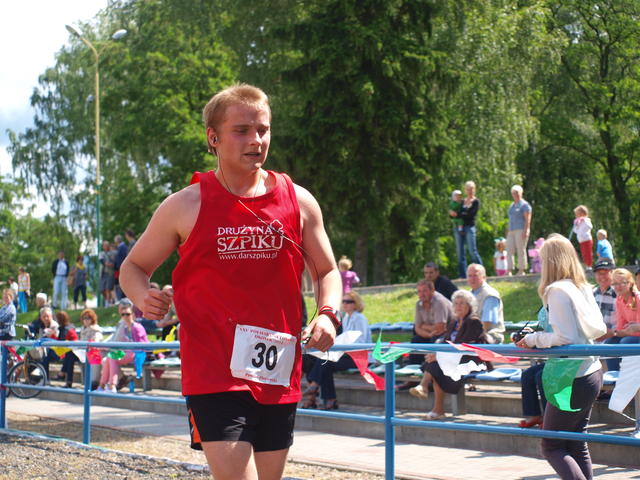
• In the heart of Poland, amidst the peaceful landscapes of Okonek, there once existed a vibrant event that brought together running enthusiasts from near and far—the Lipcowy Half-Marathon. This race was more than just a competition; it was a celebration of community, endurance, and the shared love for sport. Sadly, the echoes of pounding feet and cheering crowds have faded, leaving only memories of a race that once thrived, but no longer appears on the local calendar.

    SERDECZNIE ZAPRASZA

      22 LIPCA 2012 r. 

    NA XXV PÓŁMARATON LIPCOWY

    - 29.06.2011.biegacz.jpg

    start godz. 1000

    The cancellation of this event has left a void in the hearts of those who once eagerly laced up their running shoes every year, ready to take on the challenge. The reasons behind the disappearance of the Lipcowy Half-Marathon are as varied as the stories of the runners who once raced its course. Financial difficulties, logistical problems, or a shift in focus to other events—all of these played a role in the unfortunate removal of this race from the local sports scene. However, the legacy of the Lipcowy Half-Marathon still lives on in the memories of its participants and the bonds forged during the race. The camaraderie among runners, the cheers from spectators, and the sense of accomplishment at the finish line have left a lasting mark on the collective memory of the community. Though the race no longer takes place on the streets of Okonek, its spirit endures in the stories and experiences of those who once gathered to celebrate the joy of running. I remember this event not only for the physical challenge it presented but also for the people I met along the way. It was during the Lipcowy Half-Marathon that I crossed paths with some truly remarkable individuals—runners from various parts of Poland and beyond. Interestingly, many of them turned out to be from my own hometown, a serendipitous connection that deepened the sense of belonging and friendship among us. In a small town, where the unexpected moments of recognition create lasting bonds, the race wasn’t just about the distance, but about connecting with others.
    During that time, I also had the pleasure of meeting the then-mayor of Okonek, a man who turned out to be incredibly welcoming and kind. He shared stories of the town’s history and his passion for fostering community spirit. His hospitality left a lasting impression, and his presence at the event added a personal touch, making the whole experience feel more like a local celebration than just another race. The fact that the Lipcowy Half-Marathon is no longer held doesn’t erase these connections or the memories of that day. For many of us who participated, the event represented much more than just a race. It was about the bonds formed through shared effort and the joy of achieving something together. The streets of Okonek may no longer witness the excitement of runners racing towards the finish line, but the memories we carry from those years remain as vivid as ever. The Lipcowy Half-Marathon may be gone, but its impact on the community lives on, forever etched in the hearts of those who were a part of it.

    PS: I’m adding my old article about this event.
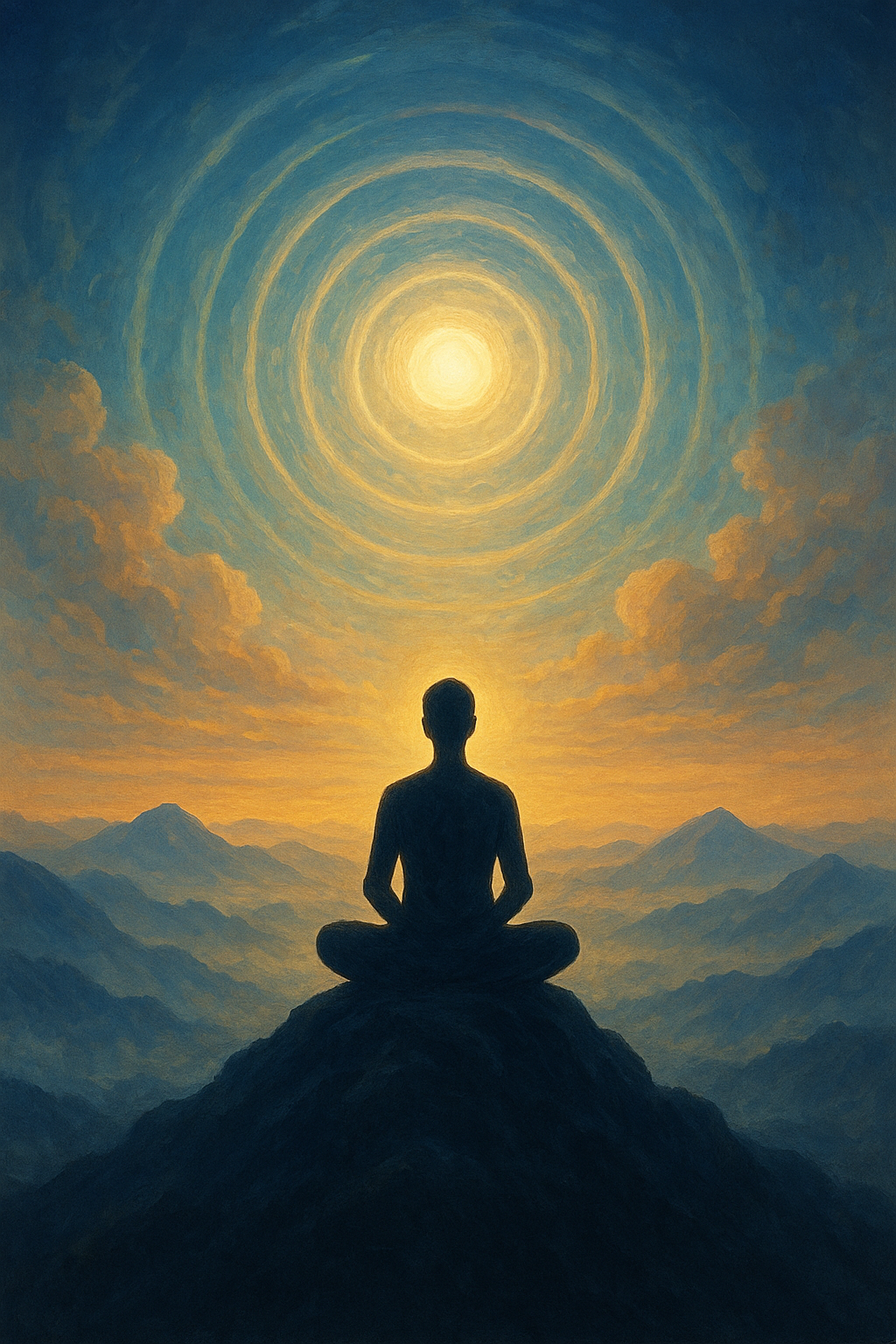
  • The Sri Chinmoy Self-Transcendence 3100-Mile Race in New York is not only the world’s longest certified footrace, it is also a symbol of the limitless possibilities of human aspiration. Every summer, a handful of athletes run almost unimaginable distances — 3,100 miles in 52 days — circling a block in Queens until they have covered nearly 5,000 kilometers.

    Right now, for me, this race is something I can only watch from a distance. I read the updates, I follow the runners progress, and I try to imagine what it must feel like to take part. It seems like a dream, something far beyond my current reality.

    How do the runners achieve such a level of endurance? It does not happen overnight. Most of them have been running for many years, building strength and resilience through countless marathons, ultra-marathons, and daily training. They prepare their bodies, but also their minds and hearts. Because to survive such a distance, physical talent is not enough. They need inner peace, focus, and the ability to keep moving when every part of the body demands to stop.

    This is why the word “transcendence” is at the very heart of the race. It means going beyond what seems humanly possible — beyond fatigue, beyond doubt, beyond pain. Runners like Andrea Marcato from Italy, who has already won the race several times, or Mahasatya Janczak from Poland, who became the first Polish finisher in 2023, show what dedication can achieve. Their success is not only about physical training, but also about transcending the mind’s limitations and touching a deeper source of strength within.

    I first came across the word transcendent not in philosophy or literature, but through sport. It surprised me, because I had always thought of transcendence as something abstract, connected with spirituality or art. But when I read about the Sri Chinmoy 3100-Mile Race, I understood the word in a new way. For the first time, it was not just about ideas or beliefs, but about the human body, endurance, and the struggle to go beyond limits.

    Seeing how runners use the concept of transcendence gave the word a new meaning in my life. It showed me that transcendence is not only about escaping the ordinary, but about transforming the ordinary, step by step, hour by hour. A person can transcend by running one more mile when the legs already want to stop, or by finding calmness when the mind is restless.

    In this sense, transcendence becomes not only a word, but a way of living a practice of moving beyond yesterdays limits to discover tomorrow’s possibilities.

    PS: If you want to know more, the race is run on a loop. You can also watch live updates, webcams, and follow the leaderboard.

    For that, use the official race site: 3100 Sri Chinmoy Race – Official Page

    “I cannot change the wind, but I can adjust the sails.”

  • There’s something deeply nostalgic about revisiting the past. We often think of time as a line stretching forward, but sometimes, when we look back, it feels like we’re stepping into an old pair of shoes—worn in, familiar, and full of memories that seem to have slipped quietly into the past. Today, I’m starting a new series on my blog that I’m calling „There Was a Race.” It’s a journey into the races and moments from years gone by—some that no longer exist, races that have disappeared from the calendar, or events that were once part of the vibrant rhythm of our running lives. These races may no longer be organized, but their echoes still call me back. Each one has a story that deserves to be told, especially those that live on in the quiet corners of the internet, hidden from the mainstream but cherished by those who remember.

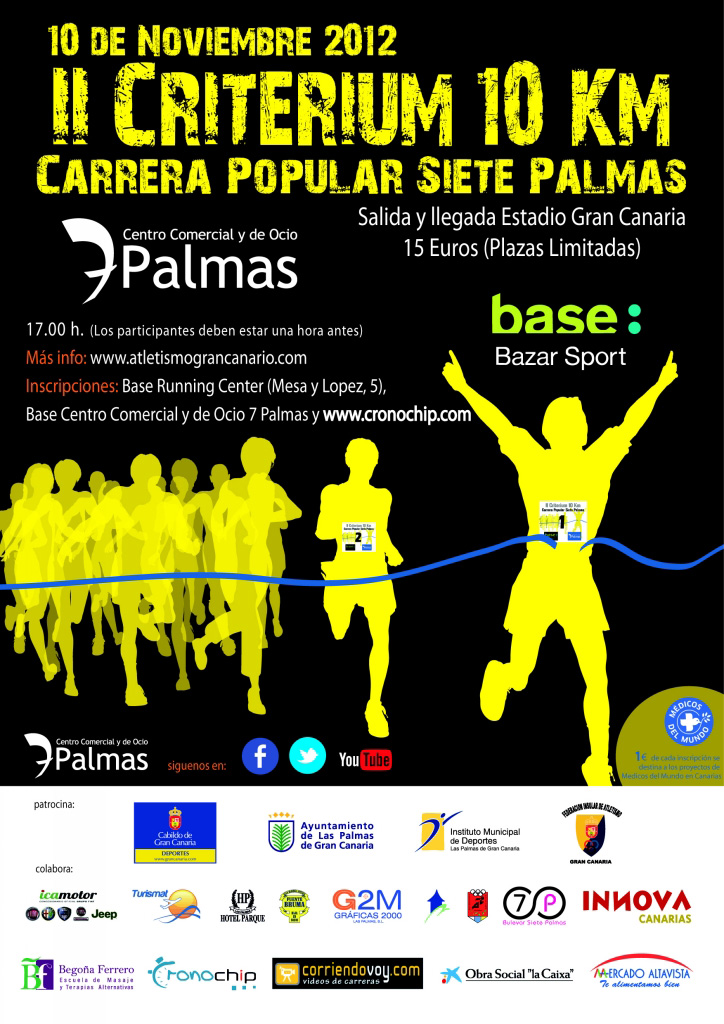
    It all started today when I found myself digging through the depths of the internet, trying to reconnect with a race I ran back in 2012. It was the Las Palmas Criterium in Gran Canaria. I had some time to spare, so I started to search for traces of the event—photos, results, anything that might bring that day back to life. I couldn’t shake the feeling that somehow, somewhere, there would be a small remnant of it still out there. After what felt like hours of scrolling through old pages, sifting through long-forgotten blogs, I finally found something. A blog from a fellow runner in Spain who had been there too, and in it. We will run together for a while.

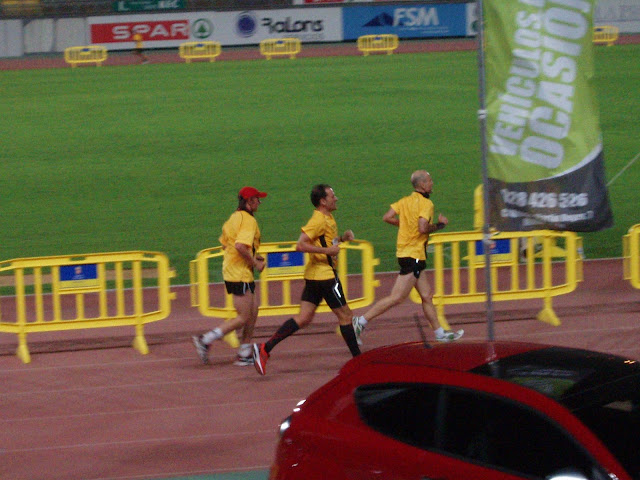
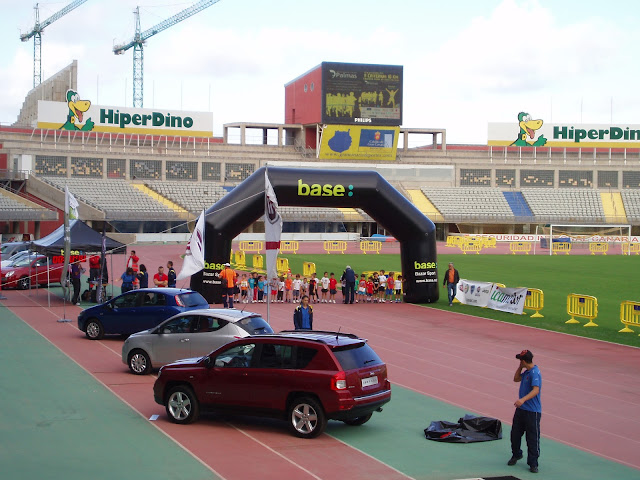
    It was like a time machine—one click, and suddenly I was back on that starting line, feeling the warmth of the Canary Island sun, the excitement in the air, and the steady rhythm of runners pacing themselves through the challenging course. Las Palmas was special, but in the way that only races can be—moments that come and go in a blur of effort, sweat, and personal triumphs, yet leave their mark on you forever. The Las Palmas Criterium was a race that, in hindsight, felt almost like a dream. The course itself was nothing extravagant, just another challenge in a long line of running events (a bit up). But it was the context of the day—the energy, the faces, the camaraderie—that made it memorable (even we have to wait to cooling down in time couple hours). The course wound through the streets of Las Palmas, offering up views of the ocean and the kind of heat that makes you question your sanity for running. But that was part of the beauty. It was a challenge that brought us together, runners from different parts of the world, all united by the same finish line. Yet, when I searched for it today, I found nothing. No official site, no results, no banner ads. It’s as if the race itself had faded into the ether of forgotten things. The year 2012 feels like a lifetime ago, and so many of these races have simply ceased to exist, leaving behind only fragments for those of us who were lucky enough to experience them. As I dug deeper into the search, I stumbled across something else. It wasn’t just the race itself that stood out, but the cars lined up at the finish line, gleaming in the sunlight. Back then, these were the vehicles that greeted the runners—old-school models, vintage cars that have since become relics of a different time. It felt like a snapshot of an era that has long passed. The cars, much like the race, were reminders of a period when things were simpler, when the vehicles were all about style and character rather than pure efficiency or electric innovation. Looking at those images now, I can’t help but feel a sense of wistfulness. The models on display back in 2012 feel so different from the sleek, modern cars we see today. The world moves forward, and with it, technology, design, and the very way we experience events like these. But it also makes me realize that things change, and that’s okay. The past may be gone, but it still holds a unique charm, one that can’t be replicated by the present. The cars at that finish line—those classic designs—are part of what made that race feel so timeless. They represent a part of history, just like the race itself. Now, we may not see those same cars at the finish lines anymore. And some of the events we once ran in have vanished from the calendar. But in their place, we have new experiences, fresh challenges, and new memories. It’s a different world, sure, but it’s still an amazing one. The spirit of racing hasn’t changed, even if the details have. In fact, it’s kind of exhilarating to think that while the cars and the events may fade, the joy of running with others—the shared triumphs, struggles, and sweat—is as alive as ever.

    I’m looking forward to revisiting more of these lost events, starting with this one. And I hope, by sharing these stories, I can bring back a little of the magic from those days when we all ran together, even if just for a few miles. Plus, I’ll be sharing some photos of those classic cars at the finish line, just to remind us all of how things once were, and how everything changes, but there’s always something wonderful about it.

    P.S. I remember this race for another reason, too—because I was there as an engineer on a contract, spending a good chunk of time in Gran Canaria. I have such a vivid memory of that moment after the race when I was completely spent, barely able to walk. A local offered me a cold drink as I staggered past the stadium. It wasn’t just any drink—it was a can of Aquarius, and that taste, that refreshment, stayed with me. I’ll never forget how revitalizing it was in that moment. It wasn’t just the drink, but the kindness of that stranger, a reminder that sometimes, the smallest gestures are the ones we remember the most.

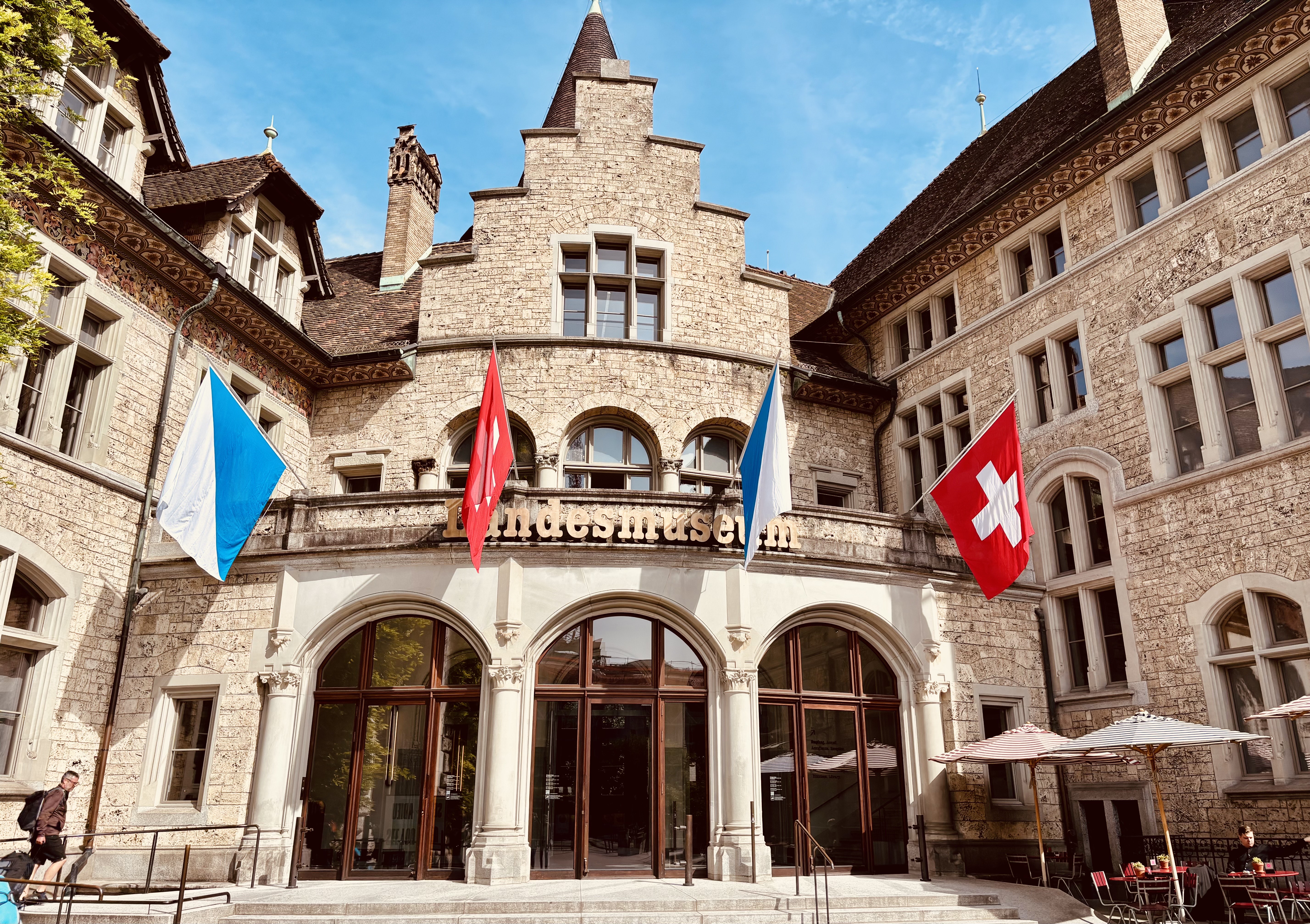
  • Last weekend, my family and I went on a trip to Switzerland, and it turned out to be a truly unforgettable escape. We stayed in a beautiful, slightly hotel located near Zurich’s. The attention to detail was remarkable, with every corner carefully designed for comfort and elegance. Each morning, we woke up to delicious breakfasts filled with fresh pastries, local cheeses, and seasonal fruits. The dinners, served in a cozy restaurant overlooking the city, were nothing short of spectacular — each dish beautifully presented and bursting with local flavors. The ambiance of the hotel made our weekend feel like a luxurious retreat, a little world of our own. During our stay, we explored the best of Zurich. One of the first places we visited was the Zurich National Museum

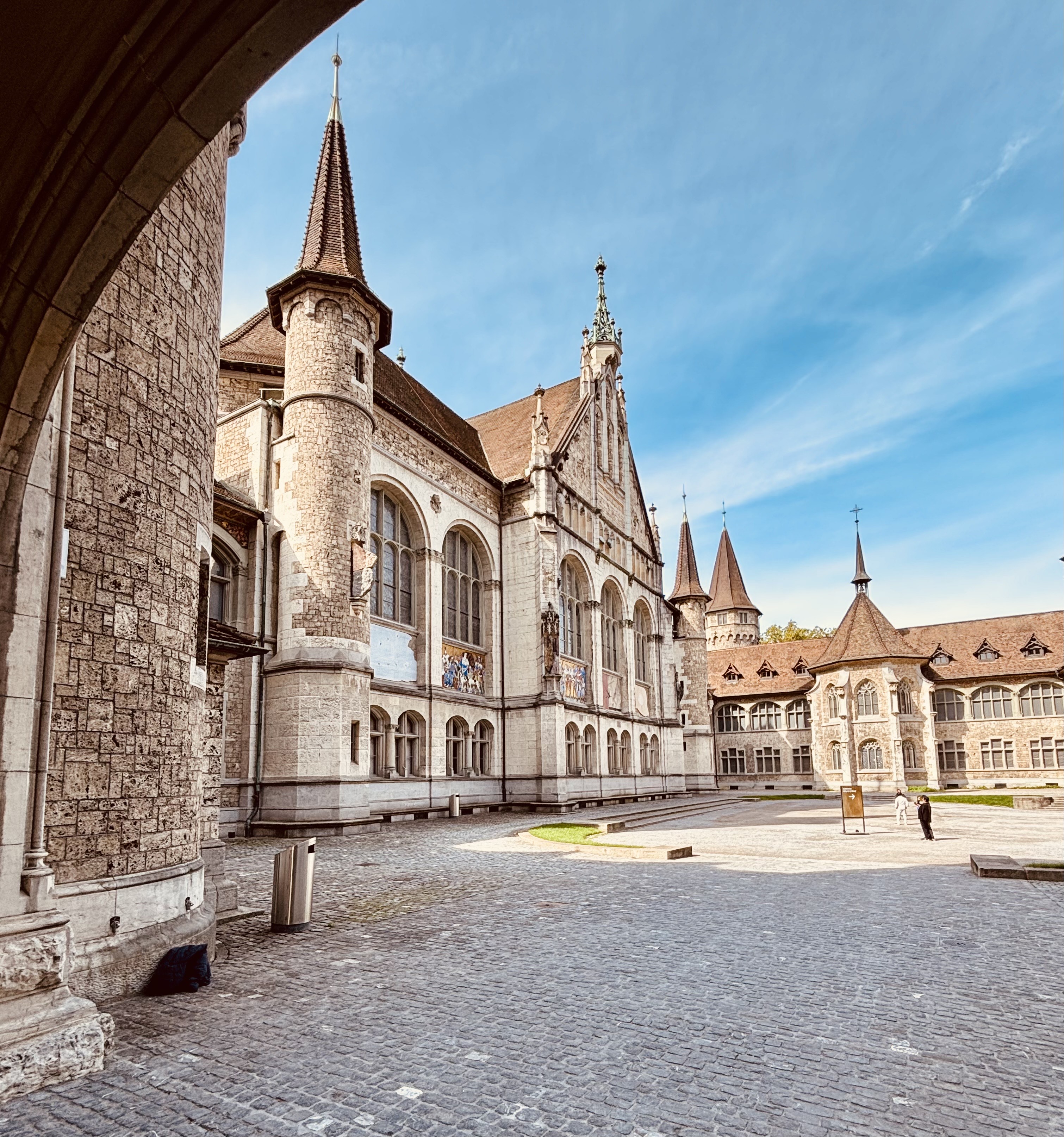
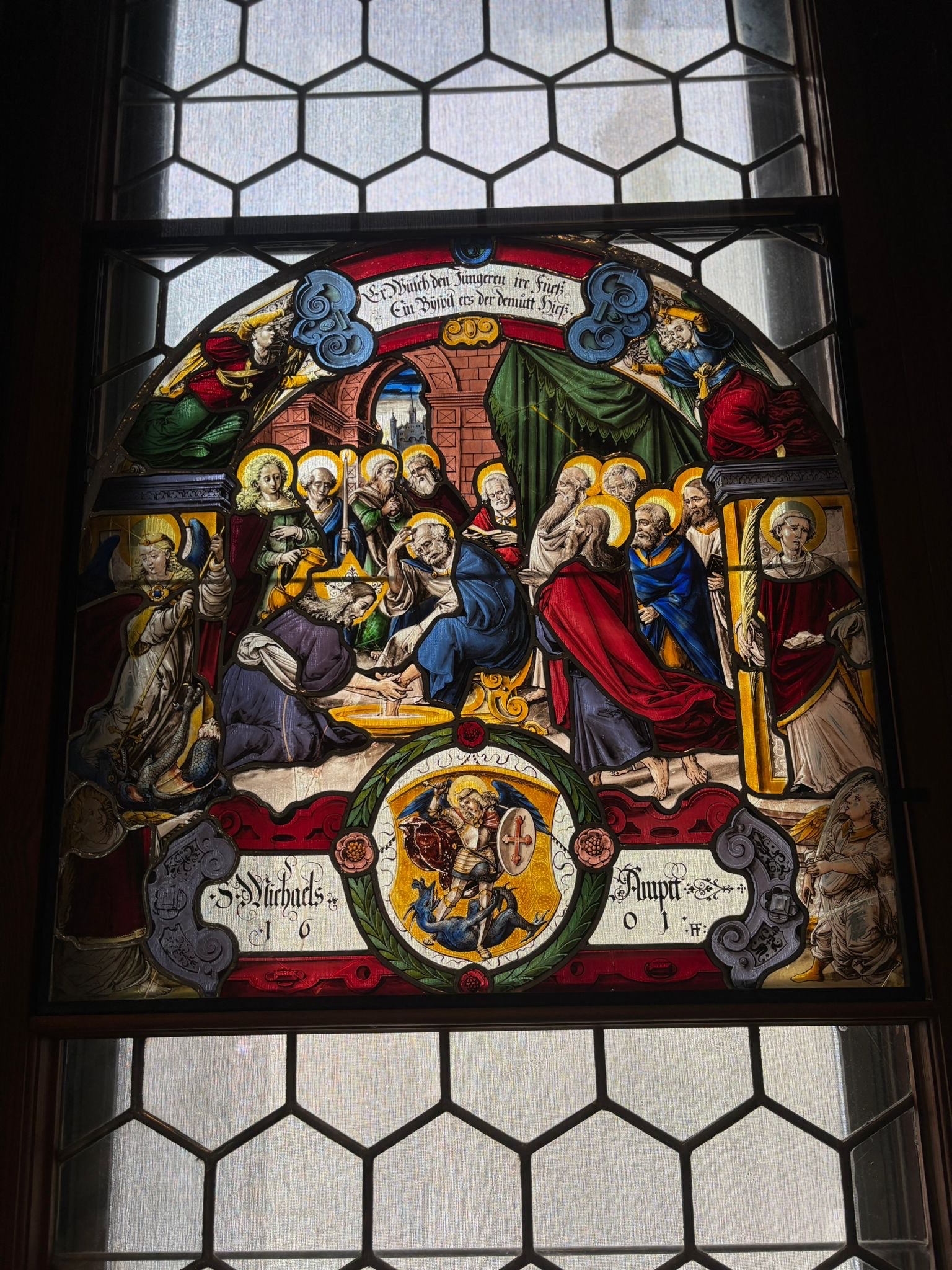
    (Landesmuseum Zürich), a landmark cultural institution housed in a grand building near the city’s main train station (Hauptbahnhof). Here, history and art came to life through fascinating exhibitions about Swiss culture, traditions, and the nation’s evolution. As we walked through the exhibits, I found myself captivated by the ancient artifacts and stories, which showcased everything from Swiss folklore to the country’s artistic achievements.

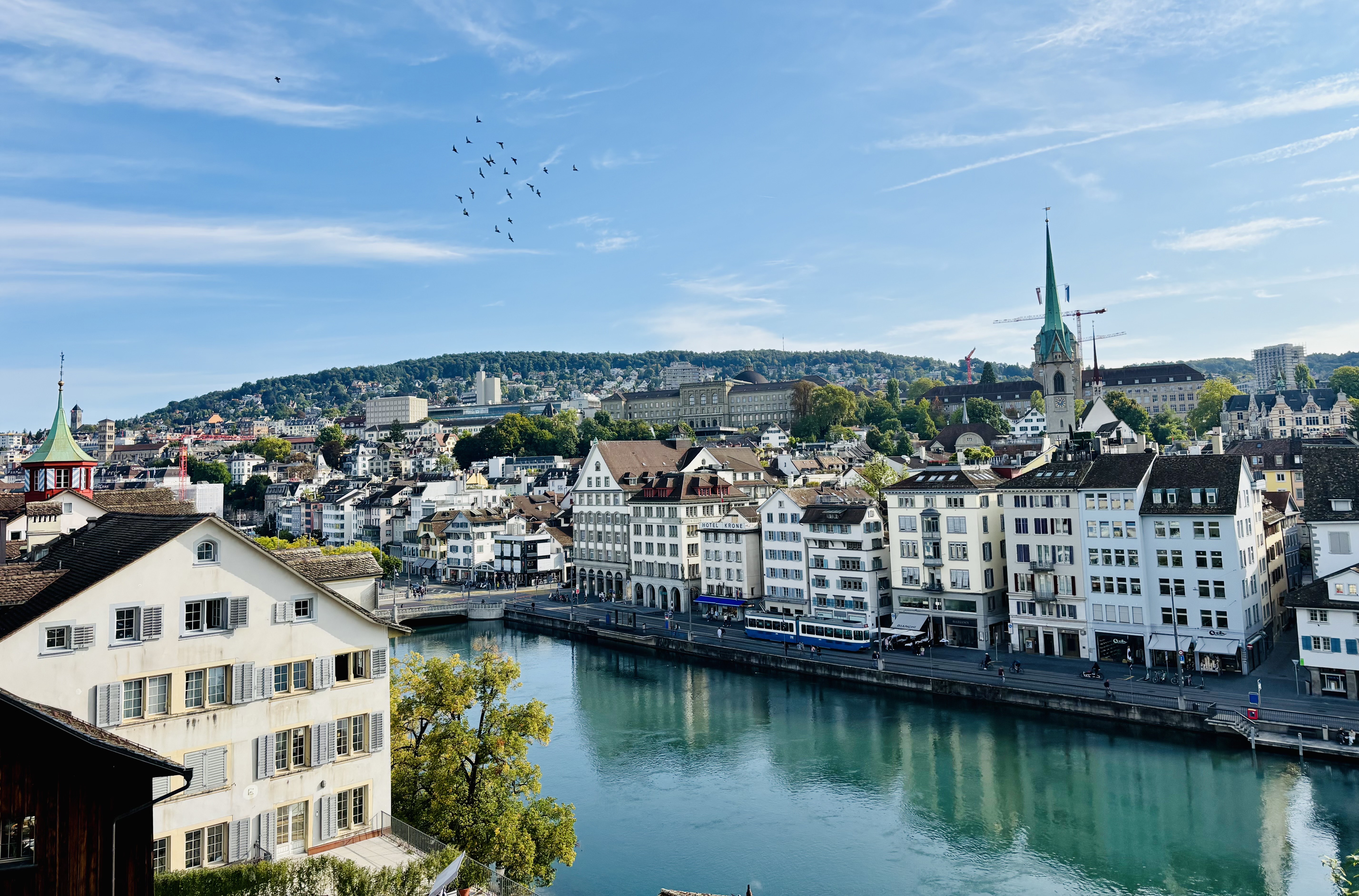
    After the museum, we ventured to Zurich Altstadt (Old Town), a historic district filled with narrow, cobbled streets, colorful buildings, and charming little cafés. The atmosphere was lively yet cozy, with local shops and street vendors offering unique handicrafts and regional goods. The Old Town feels like a journey through time, and each alley seemed to hold a piece of Zurich’s rich past. We spent hours just wandering, letting the city unfold before us.

    The highlight of our trip was the scenic boat ride on Lake Zurich.
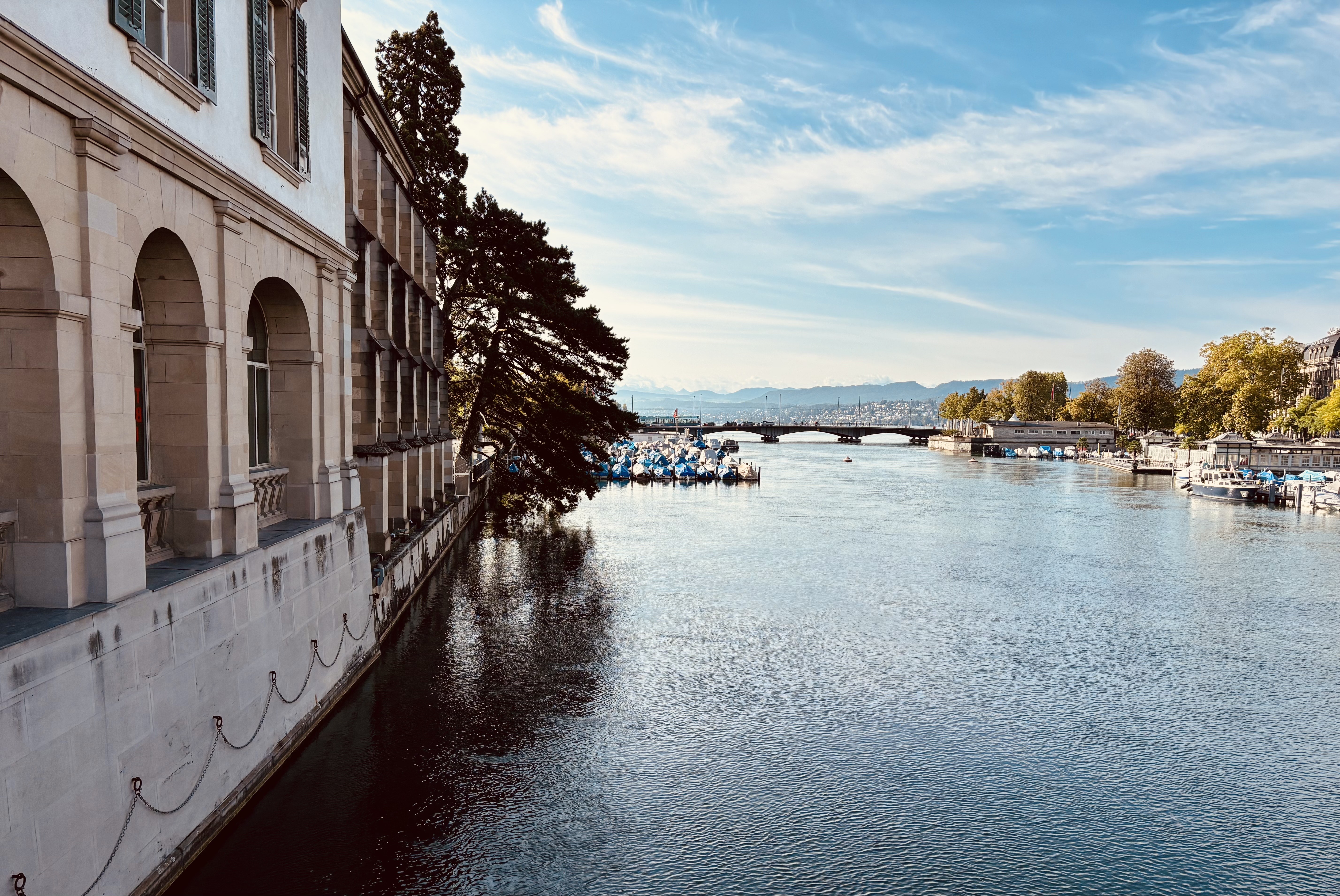
    We took a leisurely stroll along the lake’s shimmering shores, watching the elegant swans glide across the water. We then boarded a boat at the Stadelhofen Dock, which gave us breathtaking views of the city skyline, the distant mountains, and the serene lake. The gentle boat ride provided a different perspective of Zurich, and the sight of the city from the water was a stunning contrast to the busy streets. Along the way, we also enjoyed the peaceful atmosphere of the lakeside promenade, which is lined with parks and cafes, offering a perfect spot to relax.

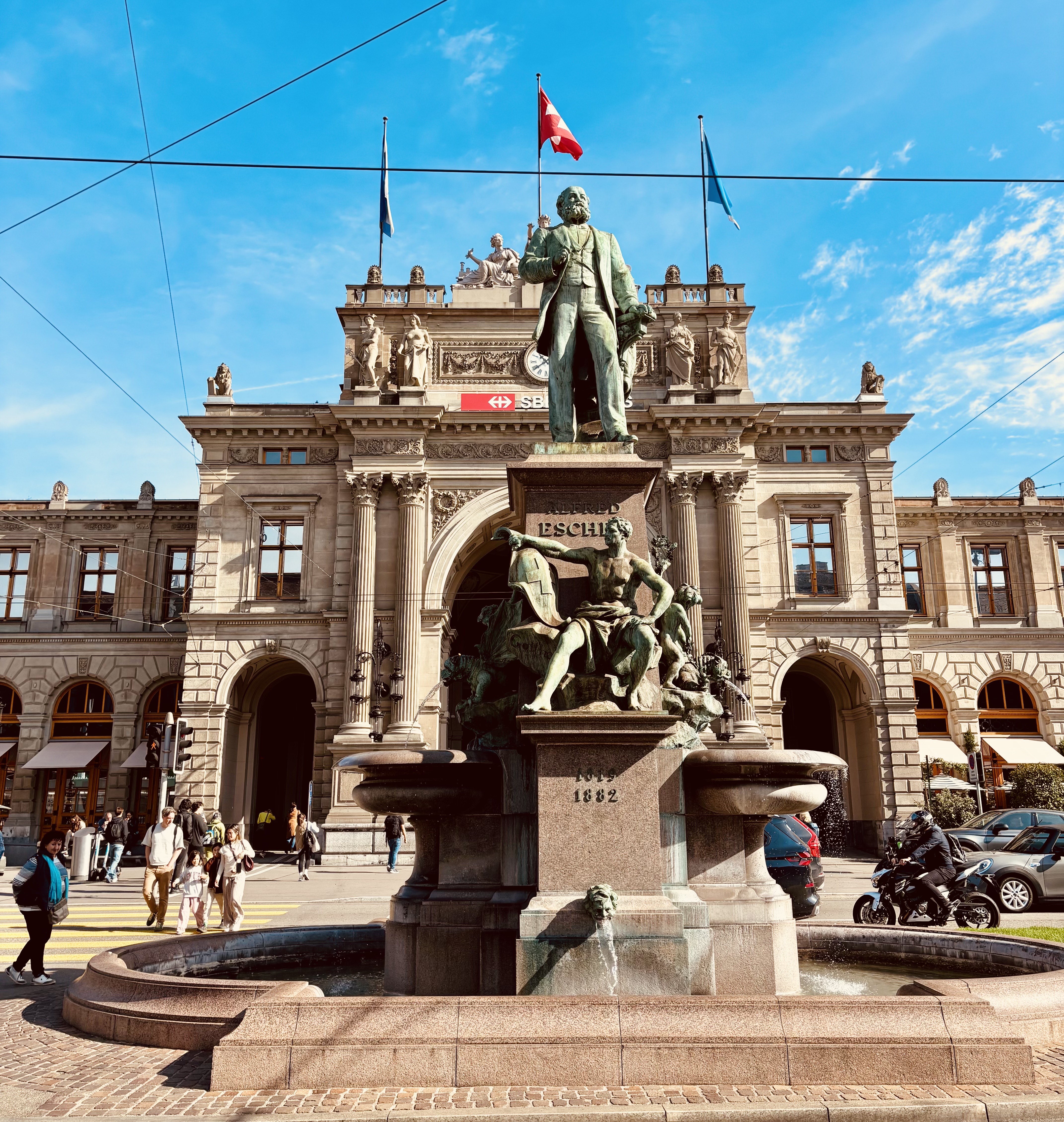
    Zurich’s Bahnhofstrasse and the Main Station were also memorable. The city’s main shopping street, Bahnhofstrasse, is one of the most exclusive in the world. Lined with luxury boutiques, department stores, and cafes, it felt like a high-end fashion show, with windows showcasing the latest trends. At the end of the street is Zurich Hauptbahnhof (Main Train Station), one of the busiest transport hubs in Europe. Its striking architecture and vast interior are both impressive and functional, as it connects travelers to the city’s public transport system, local businesses, and various services.

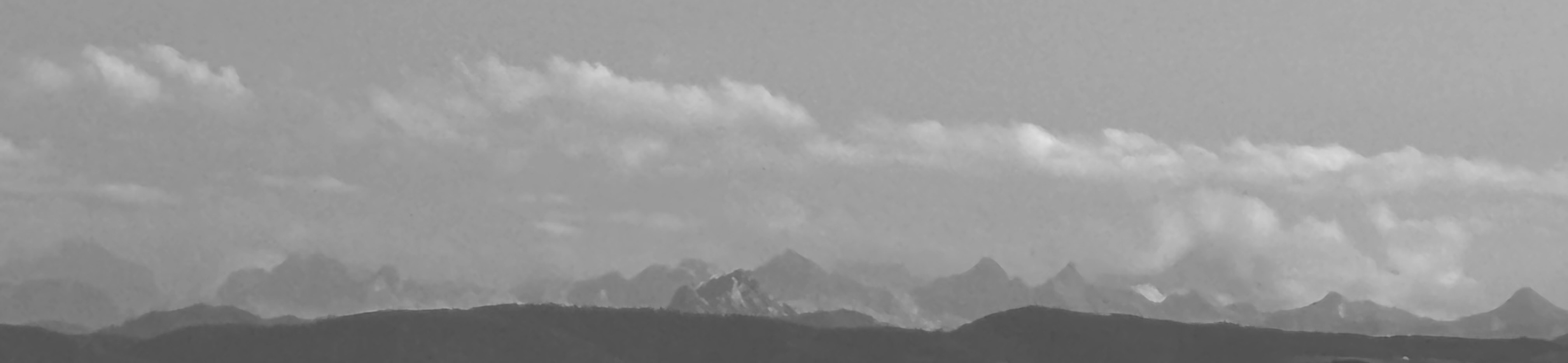
    For a more thrilling experience, we took the Polybahn funicular ride up to the ETH Zurich campus. This small yet scenic ride takes you up a steep hill, offering stunning views over Zurich’s cityscape and the lake. Once at the top, we enjoyed the panoramic views of the city, including the shimmering lake below and the nearby snow-capped Alps in the distance. It is a historic funicular that dates back to the late 19th century, and it’s one of the most charming ways to see the city from above.

    This trip reminded me that even a long weekend can feel like a lifetime when spent with loved ones. Life is short—don’t just stay at home. Go out, explore, enjoy every moment, and create memories that will last a lifetime.

  • This summer, I visited the zoo in Germany with my family, and though I’ve been there a couple of times before, time seemed to slow down in its quiet magic. The sun bathed everything in warmth, the air smelled of grass and laughter, and animals moved with a calm grace that made the world feel gentle. My family is full of energy—we race on bikes, run around, and play countless friendly games—but at the zoo, even our lively spirits seemed to settle into the gentle rhythm of the day. Walking together, sharing ice cream and smiles, I felt fully present, as if the world had paused just for us. When the day ended, I realized how quickly it had passed, yet in my heart, the joy of those moments lingered, a quiet reminder that life moves fast, but some memories are timeless.