I often try to participate in this race but over the years the timing has never quite worked out especially during the times I spent long stretches working at sea. Still my family and I always make an effort to be here whenever we can. This is the Hospice Run and it is very close to our hearts. Every year we run to support children who are seriously ill and living in hospices. The organizers donate 100 percent of the race proceeds to them so every step we take helps these brave little ones and their families. Knowing how many sick children rely on this support makes every kilometer feel meaningful. For us coming here is not just about running it is about family hope and doing what we can to bring a bit of comfort and care to children who need it the most.
P.S. If you would like to support this hospice you can visit their website. You can also support this itas well as other hospices and organizations helping sick children. Lately I have been thinking that in today’s world it sometimes feels like so many fundraising efforts go to things that are not essential, like trips or events, while there is still so much real need. I just wanted to share this thought.
The Jerzy Kortz Memorial Run in Szczecin was one of the most significant running events in the region, held in honor of Jerzy Kortz, a professor at the Agricultural Academy, a coach, and a running enthusiast. The race series was unique not only because of the name, which carried a tradition and contribution to the development of sports in the region, but also because of the challenging terrain that provided a real test for participants. Over the years, the event gained recognition and became an important part of the running calendar.
The competition was part of a series where participants earned points in each race, which were then added to the overall standings. The race route took place on the terrain of Bukowa Wilderness, an area with moraine terrain formed by glaciers during the ice age. In ancient times, an ocean covered this region, which explains the current landscape full of hills, slopes, and deep valleys that give the trail a distinctive „mountainous” character.
The Jerzy Kortz Memorial Run covered a 5.3 km distance, and the route consisted of a double loop, meaning participants ran the same course twice, increasing the physical demands and difficulty. The main race was held under challenging conditions, with numerous uphills and downhills, making it a cross-country event, perfect for training running strength.
The Jerzy Kortz Memorial Run became a tradition in Szczecin, bringing together running enthusiasts from across Poland and providing unforgettable experiences and challenges on a beautiful and demanding terrain. Although the series has now ended, the memory of this event lives on in the running community, and its organization was a great example of passion, dedication, and the desire to promote sports at the highest level.
PS: The run was extremely close to my heart, as I loved training in this forest, especially the uphills and long runs. It was only about a few kilometers away from my place, so it was perfect for a short loop. I spent a lot of time there back in my university days, and we often had bonfires and enjoyed great moments together. I’ll never forget the friend who, for whom I’ll always be grateful, showed me this forest for the first time. As a city dweller, I had never experienced anything like it. I spent many years there, and now I watch the changes from the other end of the forest right from my kitchen window.
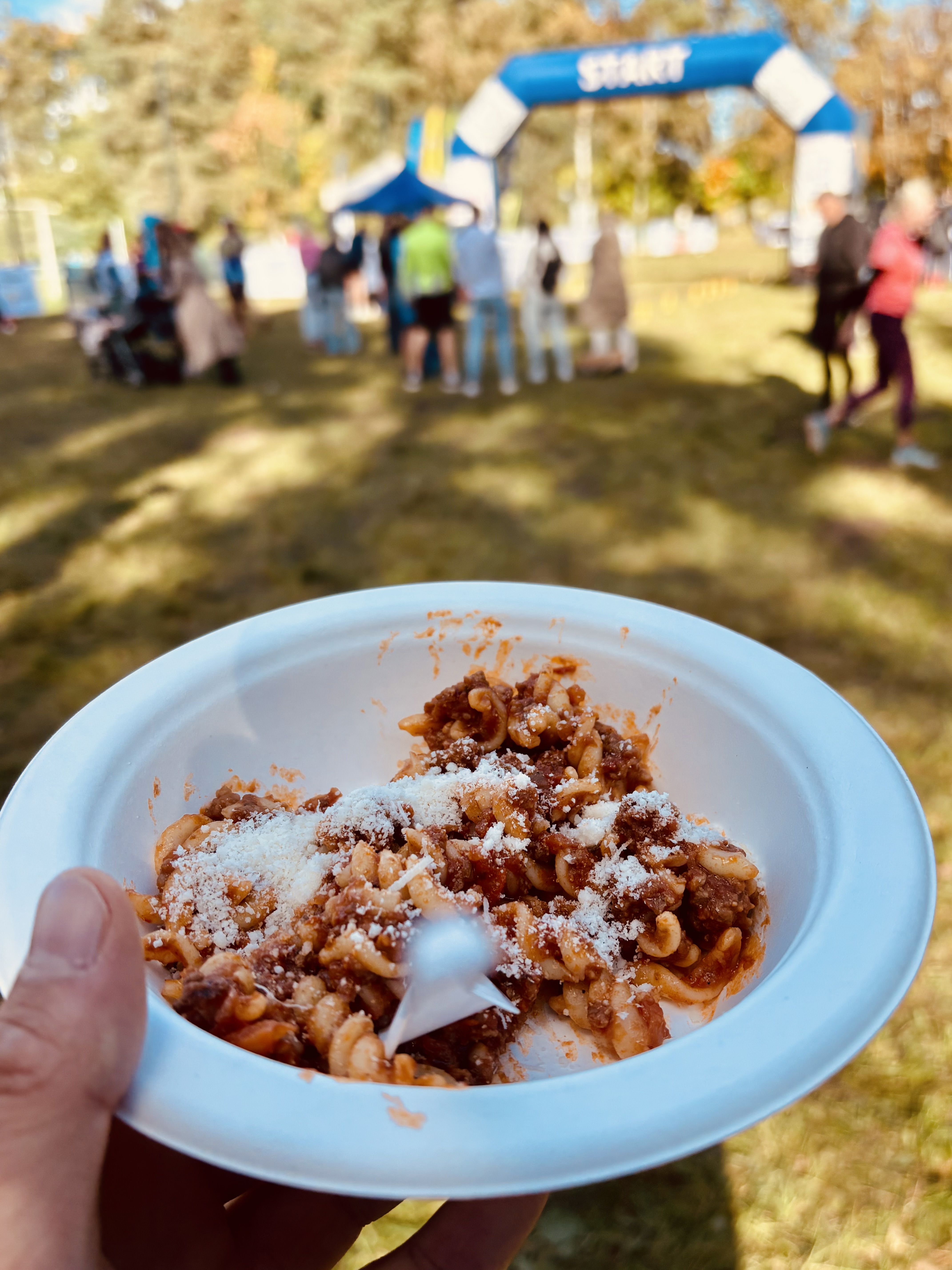
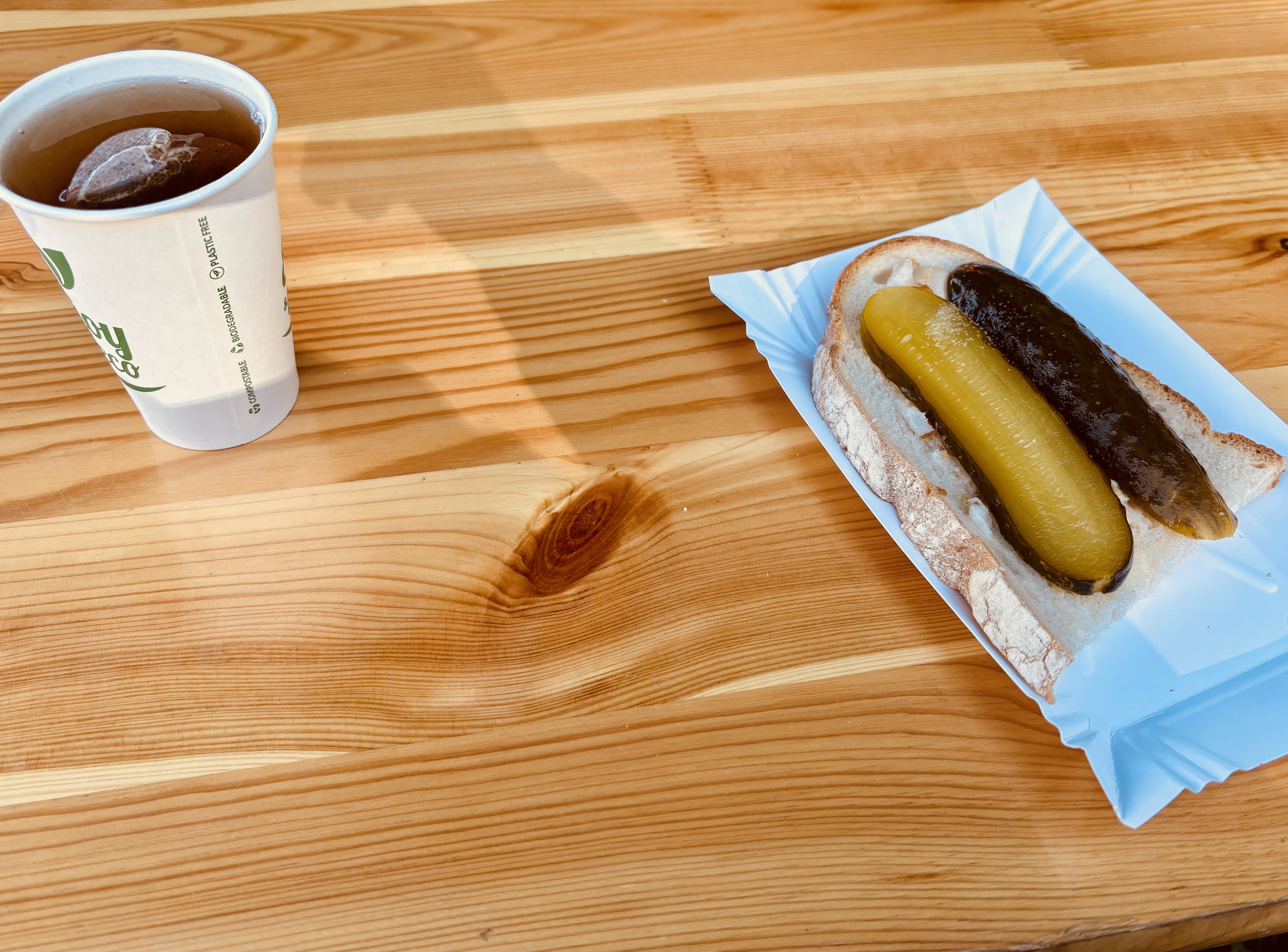
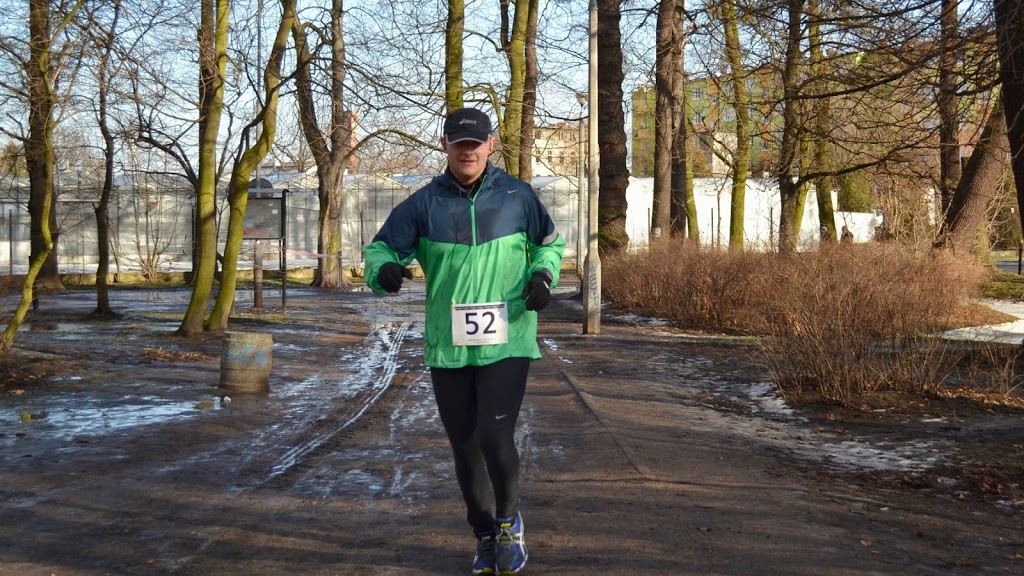
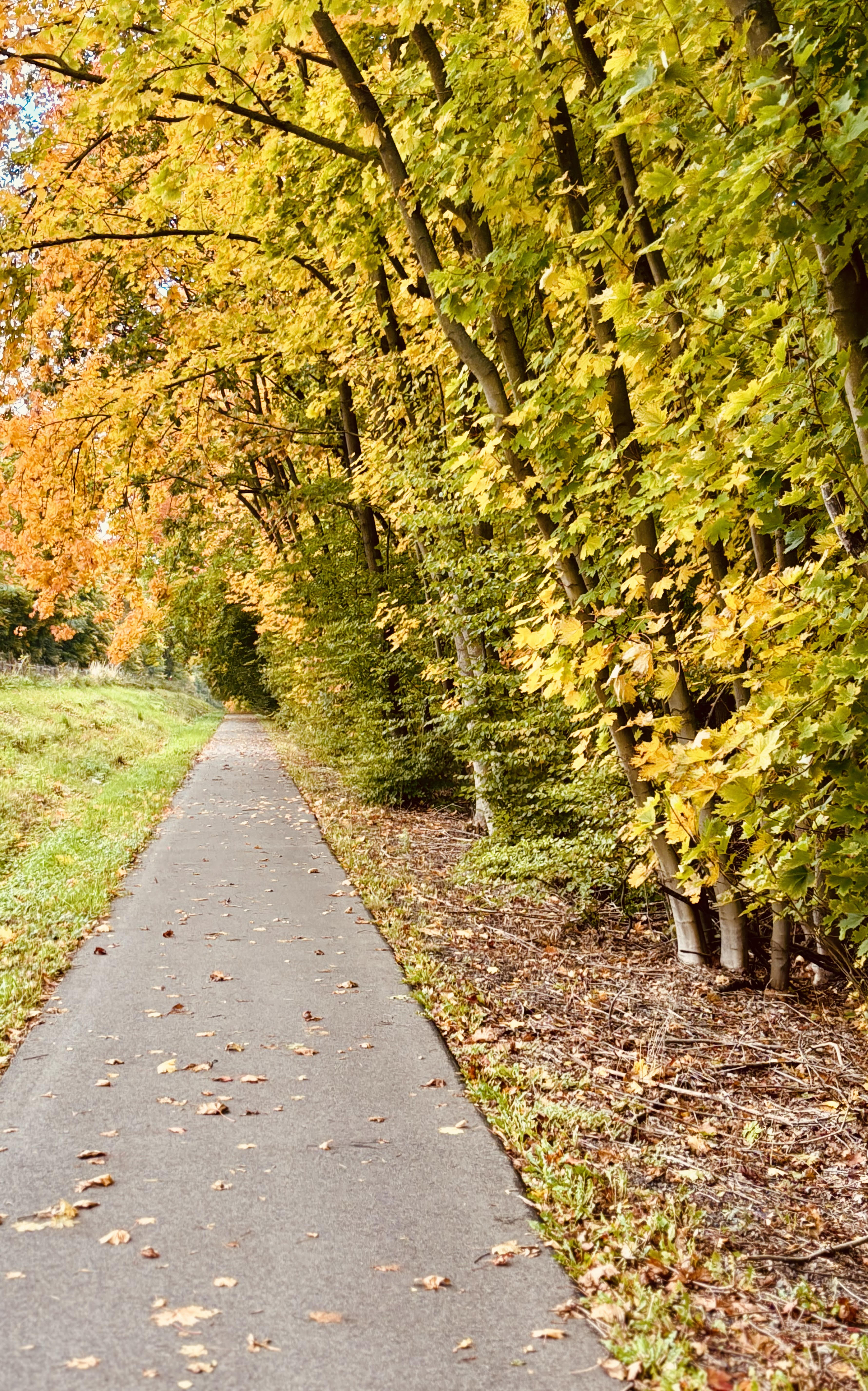
I woke up early, full of energy—or maybe only half full, like a cup of coffee hastily drunk before heading out. Outside, it looked like autumn, but something told me it was going to be cold. Still, I dressed lightly, thinking that a runner always warms up eventually. Well, that’s true—just not before leaving the house. Luckily, I went out a bit earlier, so I had the luxury of making a mistake and fixing it. The moment I stepped outside, the air hit me like a bucket of ice water. It was only five degrees Celsius. I turned back immediately, probably faster than I’d ever turn during a race, and changed into something warmer and less transparent to the wind. Once properly dressed, I felt ready for anything. The starting point was close, so I set off confidently, sure that nothing else could surprise me. Of course, I was wrong. When I arrived, I began searching for my favorite spot—the same bench I always stretch near, pretending it’s an essential part of my warm-up rather than an excuse to delay running. In the middle of that ritual, I almost missed the race office registration. Luckily, I made it just in time, number pinned, chip secured, and adrenaline starting to build. The race began, and as usual, I had chosen the longest distance of the festival. Why do something easy when you can suffer longer, right? The weather was perfect—for polar bears. It looked like autumn, with colorful leaves and soft mist, but it felt like winter, with the wind cutting right through my enthusiasm. I made it to the finish line, frozen but proud. Looking around, I noticed that most people had wisely chosen shorter distances. Smart move on their part. But as for me, I prefer to learn from my own mistakes—as long as I get a medal and a hot cup of tea at the end. P.S. If anyone ever wonders what kind of running I do, they only need to look at the finish-line photos. The expression says it all. And waiting for me at home was the best reward of all—a delicious lunch lovingly prepared by my girls.
The Bydgoszcz Decamarathon wasn’t just an event it became a part of my own running journey something deeply in my training routine. I often trained there especially during the summer months when the weather was perfect and the canal route offered a serene yet challenging environment for long runs. It wasn’t just about preparing for races it was about the connection I developed with that place. The Bydgoszcz Canal became a second home and with each step I took along its path I felt a growing emotional attachment to the surroundings. The beautiful views the quiet moments along the water and the steady rhythm of my footsteps created a bond with the location that went beyond just training. Running the Decamarathon was like coming 4,2k circle. The very route where I had logged countless training miles became the race course that tested my limits. It was a place where I could push myself and reflect where the familiarity of the terrain gave me a sense of peace amidst the physical and mental challenges of running two marathons in one weekend.
Over those five months as I joined the event and trained around the course I began to associate those stretches of road with hard work determination and achievement. It wasn’t just a race to me it was a place filled with memories of long quiet runs intense training sessions and moments of self-discovery. The Bydgoszcz Decamarathon truly became more than just a competition it was a testament to my connection with the city its people and the landscape I had come to know so well. The event combined with all the training I did along the canal formed an emotional bond that I’ll never forget. Even when the race was over and the marathon days turned into memories the significance of that place continued to live on in my heart. The energy the camaraderie and the sense of belonging made it a defining part of my running journey. PS: I remember perfectly well that the races were held from November to March which meant that the weather was always a surprise sometimes sunny sometimes snow and quite often a mix of rain and wind that made you wonder if you were running a marathon or auditioning for a survival show. The race formula was pretty relaxed so you could even bring your own nutrition and leave it on a little table at the start of the loop. It was a funny sight every few kilometers you’d pass by this improvised buffet where bottles of isotonic drinks stood next to thermoses of tea bananas mixed with chocolate bars and sometimes even a slice of someone’s homemade cake. It looked less like a professional marathon and more like a family picnic only with 42 kilometers in between each snack.
This weekend was full of running, and I managed to fit in more than I originally planned. On both Saturday and Sunday, I went for a double run, pushing myself through the crisp autumn mornings. It felt good to be out there, with the cool air in my lungs and the quiet streets almost entirely to myself.
I also visited my wonderful mother over the weekend. I had planned the visit in advance, but I had also realized that there was a race happening nearby. I couldn’t resist the temptation. I thought I could sneak out for just an hour, run a quick 10k, and be back before anyone noticed. I imagined the perfect plan: slip out quietly, enjoy the run, maybe push myself a little harder, and return with a small sense of victory.
Of course, as always, my “sneak” didn’t go as secretly as I thought. By the time I returned, everyone already knew I had gone out for a run. But honestly, it didn’t bother me at all.
Sometimes, weekends are about quiet reflection or relaxation, but this one reminded me that a little bit of spontaneity — even if it doesn’t go exactly as planned — can make life feel brighter. Running, family, a small secret mission that wasn’t really secret at all — all of it came together into a weekend I’ll remember fondly.
P.S. A little while ago, I ran a double race weekend, doing a marathon on both Saturday and Sunday. It was tough but unforgettable. I still miss those days and the feeling of running like that.



 Bonum Cursum