
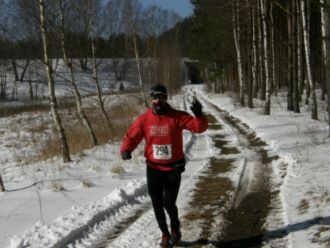
Adventure racing, or AR, is an extreme team sport that combines various disciplines like running, mountain biking, trekking, kayaking, and navigation, often requiring participants to race continuously for hours or even days. Teams are given a series of checkpoints to reach, but they must navigate their own route using only maps and compasses. The races are not just a test of physical endurance, but also mental resilience and teamwork.
The roots of adventure racing trace back to the 1980s, but it wasn’t until the 1990s that the sport gained major traction. One of the most significant early races was the Southern Traverse in New Zealand, a grueling test of endurance through the wild mountains, rivers, and forests of the country. This event became the inspiration for many other adventure races that followed. It was during these early years that the concept of racing through untamed wilderness with no fixed path or clear direction began to take shape.
Another milestone in the sport’s history was the Raid Gauloises in France, which gained international attention by pushing competitors through some of the most remote and challenging terrains on Earth—from dense jungles to scorching deserts. These early races laid the foundation for what would become a global movement, drawing adventure enthusiasts from all corners of the world.
New Zealand has long been a powerhouse in the world of adventure racing. The country produced legendary athletes like Nathan Fa’avae, a multi-time world champion who became the face of the sport. Fa’avae’s team, Team Avaya, dominated events across the globe and became a symbol of what it takes to excel in adventure racing—resilience, teamwork, and technical skill. The teams from New Zealand are known for their exceptional navigational abilities and unrelenting approach to physical challenges.
Sweden, on the other hand, has become another leading force in the sport, producing some of the most successful and disciplined teams. Teams like Haglöfs Silva and the Swedish Armed Forces Adventure Team have made their mark with their precision, mental toughness, and ability to navigate through difficult terrains, particularly the forests, swamps, and cold conditions of Scandinavia. Swedish athletes are often praised for their impeccable coordination and preparation, making them formidable opponents in global races.
The top teams in adventure racing today, such as Avaya (New Zealand) and Haglöfs Silva (Sweden), continue to set the bar for excellence in the sport. Other notable teams like Estonian ACE Adventure, France Absolu Raid, and Columbia Vidaraid (a Spanish-Brazilian team) have also emerged as major contenders in the AR World Series and World Championship events. These teams exhibit not only athleticism but an understanding of strategy, teamwork, and mental fortitude that is essential for survival in the brutal and unpredictable environments of adventure races.
As adventure racing continues to grow in popularity, these countries and their top teams remain at the forefront, constantly pushing the boundaries of human endurance and team dynamics in the wilderness. Their achievements serve as inspiration for anyone who wishes to take on the challenge of the sport.
To successfully train for adventure racing, it’s crucial to develop both endurance and versatility. These are the two foundational elements of any effective training plan. Adventure racing demands a unique combination of skills, and the ability to perform well in a range of disciplines is key to success. Whether it’s quick sprints, long-distance runs, or navigating unknown terrain, each aspect requires specific preparation.
Running in adventure racing can be split into two major categories: speed and endurance. Training for short, fast runs will help you handle situations where you need to sprint between checkpoints or tackle difficult terrains at a high intensity. These high-speed efforts also mimic the explosive moments when you might need to rush, such as in transitions between cycling and trekking or when you’re trying to reach a checkpoint in a race against time. On the other hand, long-distance running is equally important. This is where you’ll build the base endurance needed to endure the hours of racing across varied and challenging terrain. Long trail runs, especially in mixed environments (hills, mud, water), help to develop the mental toughness required for sustained effort, as well as physical stamina. Both are essential in AR, where you’ll be pushing your body to its limits over long durations.
In addition to basic running, one key skill that can set you apart in AR is orienteering. The ability to read maps, use a compass, and make split-second decisions in unfamiliar terrain is often the deciding factor between winning and losing a race. Orienteering isn’t just about having navigational skills, but about staying calm and focused while your team is in the wilderness for hours, sometimes even days, with no clear signs of where to go next. The quicker you can identify landmarks, plan a route, and adjust on the fly, the more efficient your team will be.
For cycling, both sprints and long rides are important, depending on the type of race. On one hand, sprinting helps you tackle the intense efforts when cycling between transition zones or pushing hard to catch up with competitors. Sprint intervals, with bursts of speed and recovery, are essential for simulating these demands. On the other hand, long-distance cycling helps build your endurance for those multi-hour rides, sometimes through technical, off-road terrain. Building the ability to ride for hours while navigating rocky, uneven paths is just as important as having the stamina to keep up the effort. Combining both sprint and long-distance cycling training prepares you for any scenario in the race.
However, adventure racing requires more than just running and cycling skills. The sport is multidisciplinary, and being versatile is key to success. Several other skills and training methods are needed, depending on the specifics of each race. Cross-country skiing and roller skiing are fantastic ways to build endurance and strength, particularly when training for cold-weather races or conditions where you may be traveling through snowy terrain. These skills help simulate the cardiovascular strain of racing, while also targeting muscles that are important for climbing and long-distance running.

Climbing and mountaineering skills are also crucial in many adventure races, especially when the course includes rocky or mountainous areas. Having experience in rock climbing or basic rappelling can help you navigate technical sections more confidently and efficiently. Not all races include climbing, but being prepared for such obstacles will give you a strategic advantage over competitors who are unfamiliar with these terrains.
Other skills that may come in handy include kayaking for water sections, which is an essential component of many races. Having proficiency in whitewater rafting or flatwater kayaking can allow you to perform quickly and safely on the water. In addition, swimming is often included, and practicing techniques for swimming in open water or across long distances will pay off when the course requires you to navigate rivers, lakes, or other bodies of water.
Rollerblading or roller skiing can also provide great cross-training for endurance, agility, and strength, particularly in flatter races where biking might be swapped for another wheeled form of transport. These exercises work many of the same muscle groups as cycling but offer a different range of motion and challenge your body in new ways.
In terms of strength training, building a solid core is crucial for stability when moving across unstable or difficult terrain. Exercises that work your legs, core, and upper body will help you maintain balance and control while cycling, running, or climbing. Additionally, functional fitness, like carrying heavy packs, lifting or dragging equipment, or running with gear, is often a part of many races. Strengthening these specific muscles through functional movements will better prepare you for the unexpected challenges of AR.
Ultimately, your training should be race-specific. Some races focus more on mountain biking and running, while others may emphasize kayaking, climbing, or other skills. The key is to have a well-rounded training plan that ensures you are prepared for whatever challenges the course throws your way. Whether you’re racing through swamps, scaling mountain passes, or navigating through forests, you’ll want to be ready for it all.
When preparing for adventure racing, one of the most important aspects is testing all of your gear and nutrition in real, race-like conditions. This means not just practicing individual disciplines like running or cycling, but also making sure that everything you rely on during the race is comfortable, efficient, and ready to perform under pressure. From the shoes on your feet to the food in your pack, every detail matters.
The right footwear is crucial, as it can make or break your race. You’ll want to test a variety of trail running or mountain biking shoes to see which ones offer the best grip, support, and comfort on different surfaces. It’s essential that your shoes are broken in but not worn out—nothing slows you down faster than blisters or foot pain. When it comes to backpacks, comfort and practicality are key. Your pack should fit snugly and not bounce around, as this can cause discomfort and fatigue. It’s important to ensure that you can easily access your water, food, and gear during the race. If you’re using a hydration bladder, practice drinking from it while moving, as this is a skill you’ll need in the heat of the race. Make sure your hydration system is large enough for the long hours you’ll spend on the course, and test it thoroughly during training to make sure it doesn’t leak or cause discomfort.
For nighttime portions of the race, headlamps are indispensable. Since many adventure races take place over several hours, including overnight sections, you’ll need a headlamp that’s bright enough to illuminate your path but comfortable enough to wear for long periods. Test your headlamp during your night training runs or bike rides to ensure it provides adequate visibility and stays securely in place. Also, carry extra batteries or have a charging plan in place to avoid any surprises during the race.
In adventure racing, navigation is one of the most critical skills you’ll need. Being able to read a map, use a compass, and make quick decisions about your route can often be the difference between winning and losing. It’s essential to practice navigating through unfamiliar terrain in real conditions. The more comfortable you are with your map and compass, the better you’ll be able to respond when things don’t go as planned, such as when you misinterpret a landmark or need to adjust your course on the fly. Navigation becomes even more challenging in remote areas with limited or no visual landmarks, so practice these skills in environments that simulate race-day conditions.
Nutrition is another crucial element of race preparation. During a race, your body will burn through a significant amount of energy, so it’s important to fuel properly. Test out different foods during your long training sessions to determine what works best for you. Avoid trying new foods on race day, as unfamiliar foods can upset your stomach and slow you down. High-energy foods that are easy to digest are key. Consider options like energy bars, gels, and dried fruits. Real food like peanut butter sandwiches, rice cakes, or jerky can also be good choices. Your goal is to eat foods that give you energy without weighing you down, as you’ll need to maintain your stamina for hours at a time.
In addition to solid food, hydration is vital for endurance. You’ll need to drink regularly throughout the race to stay energized and avoid dehydration. But simply drinking water isn’t enough. As you sweat, you lose not only water but also important electrolytes, such as sodium, potassium, and magnesium, which are necessary for muscle function and preventing cramps. During your training, you should experiment with electrolyte supplements—tablets, powders, or drinks—to determine which works best for you. Some racers prefer sports drinks that combine hydration and electrolytes, while others opt for tablets that they can add to their water. Be sure to hydrate regularly and keep your electrolytes balanced, particularly during hot weather or long training sessions.
Finally, testing everything under race-like conditions is crucial. Don’t wait until race day to discover that your gear doesn’t fit, your food is unappetizing, or your hydration system doesn’t function well. Your training should simulate the actual race as much as possible. This means practicing with your food, gear, and hydration during long, intense sessions in real-world environments. Whether it’s running, biking, or trekking, every piece of equipment should be tested, and every fuel strategy should be fine-tuned. The more you test, the more confident you’ll feel when the real race day arrives.
The power of the mind, particularly the strength of will, is a fundamental aspect of adventure racing that can determine success or failure. When the body is physically exhausted and fatigue is setting in, it is often the willpower that keeps athletes moving forward. Strong-willed racers can push past the point where others might give up, overcoming their body’s natural urge to rest. This inner drive — the ability to summon the energy to keep going despite the overwhelming desire to stop — is what distinguishes the best athletes. The mind’s ability to override the body’s signals of exhaustion is an incredible force that allows competitors to achieve feats that seem impossible on paper. It’s the internal dialogue of “I can do this” that transforms a grueling race into a challenge that can be conquered, one step at a time.
In an adventure race, rest and recovery become more than just physical necessities — they are also mental strategies. It’s easy to think of rest as simply the body recovering, but mental rest is just as important. After hours or days of non-stop effort, mental fatigue can be just as debilitating as physical exhaustion. Taking moments to rest the mind allows for clearer thinking, better decision-making, and a renewed sense of focus. Whether it’s during a short break to hydrate, a few minutes of quiet time to regain composure, or simply allowing oneself to take in the surroundings for a moment, these small moments of respite help reset the mental clock. The best racers are not only adept at pushing their bodies to the limit but are also skilled at knowing when to pull back and allow themselves the necessary mental breaks to ensure they stay sharp when it counts.
The influence of group dynamics is another critical factor in the mental side of adventure racing. The mind is not only shaped by personal resilience but also by the collective strength and support of the team. When one team member is struggling, the rest of the group can help buoy their spirits and provide encouragement. In these races, where the going can get tough and morale can fluctuate, the collective energy of the group can provide the mental fortitude needed to keep pushing forward. Team members rely on one another, offering words of encouragement, physical assistance, or simply the presence of a teammate to prevent negative thoughts from taking hold. Group cohesion and camaraderie not only help in handling the physical challenges but also serve as a powerful buffer against the mental hurdles that arise. When the group stays positive, stays focused, and motivates each other, the psychological challenges of the race are far more manageable, leading to greater endurance and ultimately, success.
Adventure racing is much more than just a test of physical prowess; it’s a battle between mind and body, where the strength of will and mental resilience often determine who will succeed. It’s a sport that demands unwavering determination, not just to endure the grueling challenges of the course, but to push through the mental barriers that inevitably arise when fatigue sets in. Each race is a personal journey, where racers must face not only the external environment but also their internal struggles. The physical exhaustion, the temptation to give up, the doubts that creep in — all are part of the challenge. And it is through this mental endurance that the true victory is won.
Whether it’s through moments of mental recovery, finding strength in group dynamics, or summoning the willpower to keep going, adventure racing is a reflection of human tenacity and spirit. The beauty of the sport lies in its unpredictability, its ability to bring together different skills, and its requirement for athletes to remain adaptable in the face of constant change. Adventure racing pushes participants to their limits, yet it is precisely in these extreme moments that the deepest growth happens — both physically and mentally.
For those who take on the challenge, the rewards are unparalleled. Completing an adventure race is not just about crossing the finish line; it’s about the journey, the challenges overcome, and the mental strength developed along the way. It’s about discovering what you’re truly capable of when you’re pushed to your edge and beyond. The bonds forged in these races, the lessons learned, and the sense of accomplishment create memories that last far longer than the race itself. Adventure racing is, in its truest form, a celebration of the human spirit’s indomitable will to thrive against all odds.
 Bonum Cursum
Dodaj komentarz