
The world of ultrarunning has seen a surge in fixed-time races, where athletes challenge themselves to cover as much distance as possible within a specific time frame. These events, which have gained high popularity, are not about completing a set distance but about pushing the limits of endurance. From short, intense 24-hour races to extreme 10-day challenges, fixed-time races are becoming a defining trend in the ultrarunning community.
One of the most notable examples of this trend is the 10-day loop race held in New York, which draws attention for its extreme challenge. Participants run on a closed loop, typically within the city’s parks, for ten continuous days. This race pushes athletes not only to endure but to master their strategy for rest, sleep, nutrition, and recovery, all while maintaining focus on the goal—covering as much distance as possible within the set time.
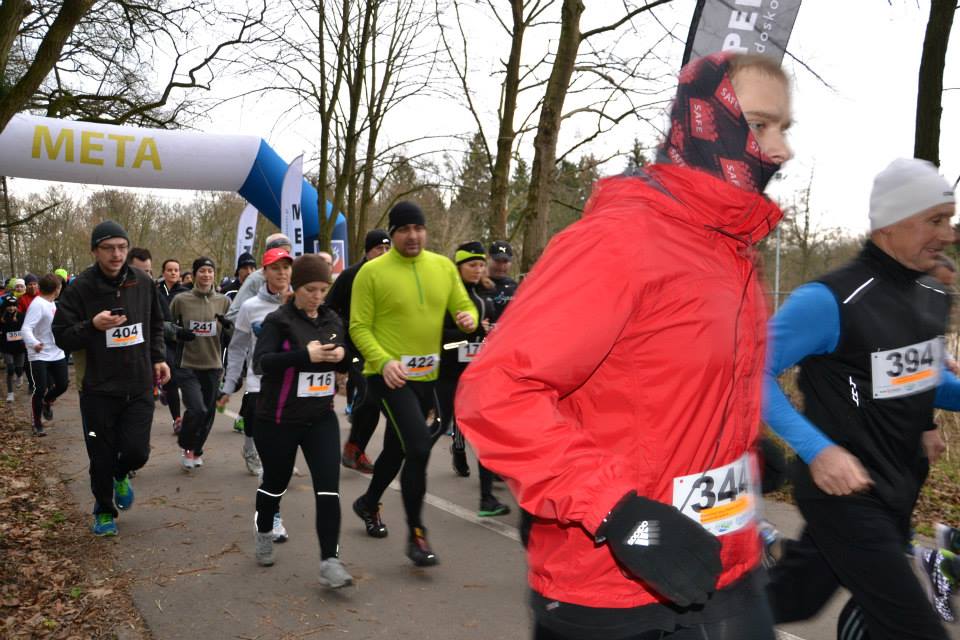
Although New York has been at the forefront of this fixed-time trend, other locations around the world are also embracing similar challenges. For instance, in Sląsk district, Poland, earlier this year, a 24-hour race took place, attracting a competitive field of ultrarunners. The race took place on a looped course, similar to the New York events, and participants had to maintain a steady pace, managing the physical and psychological challenges of running continuously for an entire day.
Meanwhile, in Ardèche, France, the 6-Day World Championship is currently in progress, having started on April 28, 2025. Organized by the GOMU (Global Organization of Multi-Day Ultramarathoners), this event draws elite long-distance runners from around the world. Over six days, participants must cover as much distance as possible on a looped course, facing the ultimate test of physical endurance and mental resilience.
The event is recognized as the World Championship for the 6-day format, and competitors strive not only for personal achievement but for the honor of being crowned world champion. With the stunning Ardèche landscapes as the backdrop, the 6-Day World Championship becomes more than just a race—it’s a true battle against time, distance, and self-imposed limits.
From the streets of New York to the parks of Sląsk and the picturesque loops of Ardeche, these fixed-time races are redefining what it means to run long distances. Whether it’s a 24-hour challenge or a 6-day endurance test, these races represent the ultimate expression of human determination and the desire to push beyond the imaginable.
I find this growing trend of fixed-time races incredibly fascinating and exciting, especially as someone who has already participated in 6- and 12-hour events. These races are the perfect blend of physical endurance and mental toughness, and they seem like the ideal way to push my limits even further. The strategy involved in managing sleep, pacing, nutrition, and recovery is something I’ve started to appreciate more with every race, and it’s what draws me to these types of challenges.
This year, I’m planning to continue developing in this direction. I want to focus on even longer fixed-time events, maybe even aiming for the 24-hour or 48-hour races, and who knows, maybe even stepping up to a 6-day race in the near future.
There’s no need to go into great detail about these races, as their appeal is quite evident. However, if you’re looking to dive deeper into the world of ultrarunning and its rich history, Davy Crockett is someone worth following. He writes extensively on the subject and shares his knowledge on the Ultrarunning History Podcast. If you’re curious about the evolution of endurance events and their roots, his insights are invaluable.

 Bonum Cursum
Dodaj komentarz